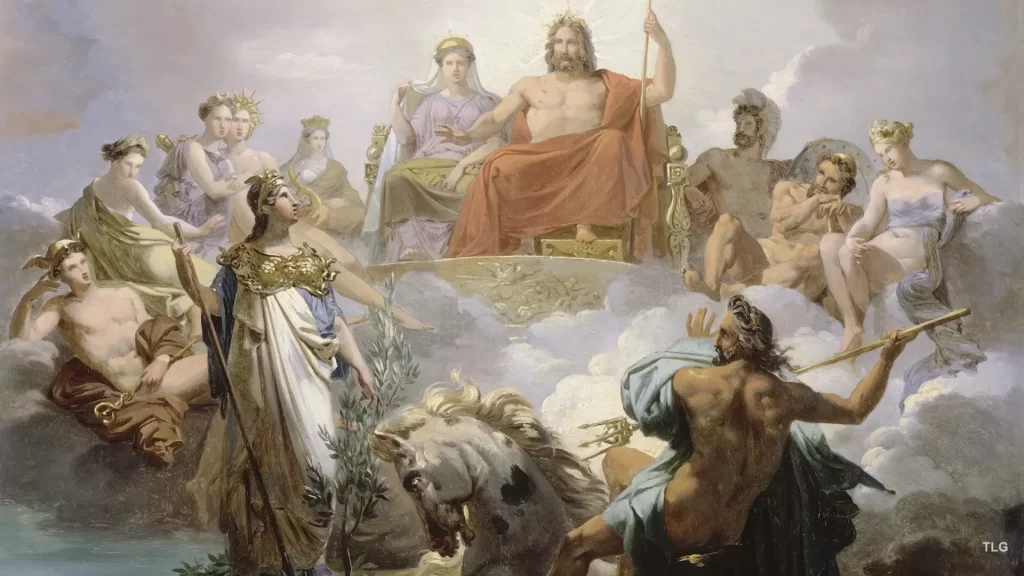
It goes without saying that traces of Greek mythology in modern pop culture can be found almost everywhere! The thunderous pronouncements of Zeus, the cunning stratagems of Athena, the passionate fury of Hera, the epic wanderings of Odysseus – these are not merely relics of an ancient past. Far from being confined to dusty tomes and classical art, the gods, goddesses, heroes, and monsters of Greek mythology have permeated every facet of modern pop culture, from blockbuster films and binge-worthy Netflix series to bestselling novels, immersive video games, and even commercial branding. Their stories, steeped in drama, moral ambiguity, and timeless human struggles, continue to resonate with audiences across generations, proving that the myths forged on Mount Olympus are as vibrant and relevant today as they were millennia ago.
But how did these ancient narratives achieve such remarkable longevity and adaptability? What is it about the trials of Perseus or the tragic fate of Icarus that continues to captivate our collective imagination? This blog post will delve into the profound influence of Greek mythology on contemporary media, exploring its multifaceted presence and the reasons behind its enduring appeal, looking at trends through 2020s.
The Unbreakable Threads: Why Greek Myths Persist
At its core, Greek mythology offers a rich tapestry of archetypes and narratives that speak to universal human experiences. Love, loss, jealousy, ambition, heroism, betrayal, the struggle for power, the quest for knowledge – these themes are perpetually relevant. The Olympian gods, despite their divine powers, are remarkably human in their flaws and passions. Zeus’s infidelity, Hera’s vengeful wrath, Poseidon’s turbulent temper, Aphrodite’s irresistible allure – these imperfections make them relatable, even in their godhood. They are not distant, infallible beings, but rather magnified reflections of humanity itself, making their stories fertile ground for endless reinterpretation.
Furthermore, Greek myths are inherently dramatic. They are filled with epic battles, fantastical creatures, daring quests, and tragic downfalls. The narrative structures, often centered around a hero’s journey or a divine intervention, provide compelling blueprints for storytelling. The concept of hubris leading to nemesis, the intricate web of family feuds among the gods, and the constant interplay between fate and free will all offer potent narrative engines that can be adapted to any genre or medium.
Beyond the intrinsic dramatic appeal, the sheer breadth and depth of Greek mythology provide an inexhaustible wellspring of inspiration. There are hundreds of gods, goddesses, demigods, heroes, monsters, and mythical locations, each with their own intricate backstory and potential for development. This vast pantheon and their interwoven tales offer creators an unparalleled toolbox of characters, settings, and plot devices, allowing for both faithful adaptations and wildly imaginative reinventions.
Hollywood’s Pantheon: Gods on the Big Screen
Perhaps nowhere is the omnipresence of Greek mythology more evident than in cinema. If you take a closer look, you would be able to find the traces of Greek mythology in modern pop culture. From classic epics to modern blockbusters, Hollywood has consistently drawn from the well of Olympus. Early films like Jason and the Argonauts (1963) captivated audiences with stop-motion animation and a sense of grand adventure, bringing to life the quest for the Golden Fleece and the myriad dangers faced by its heroes.
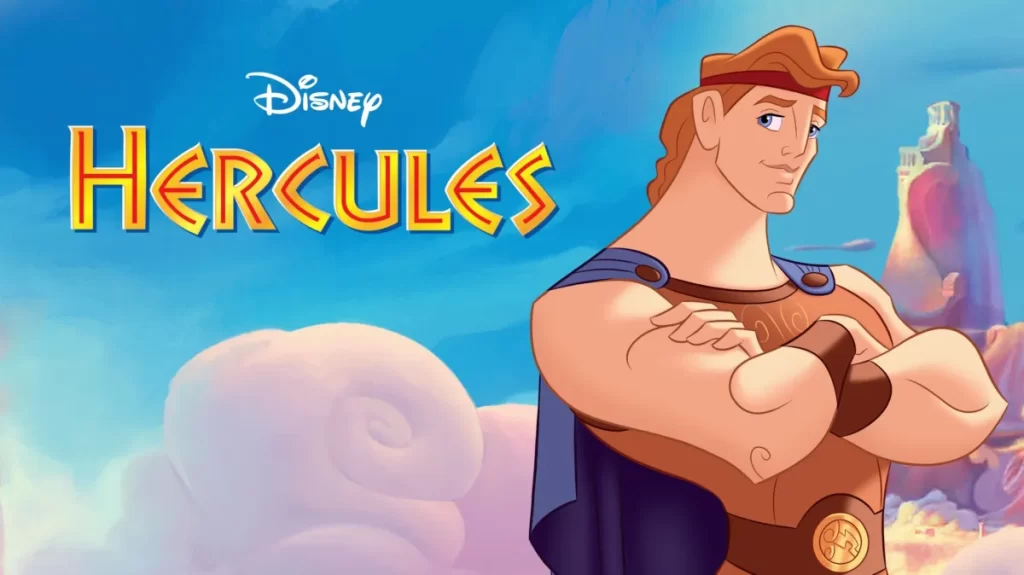
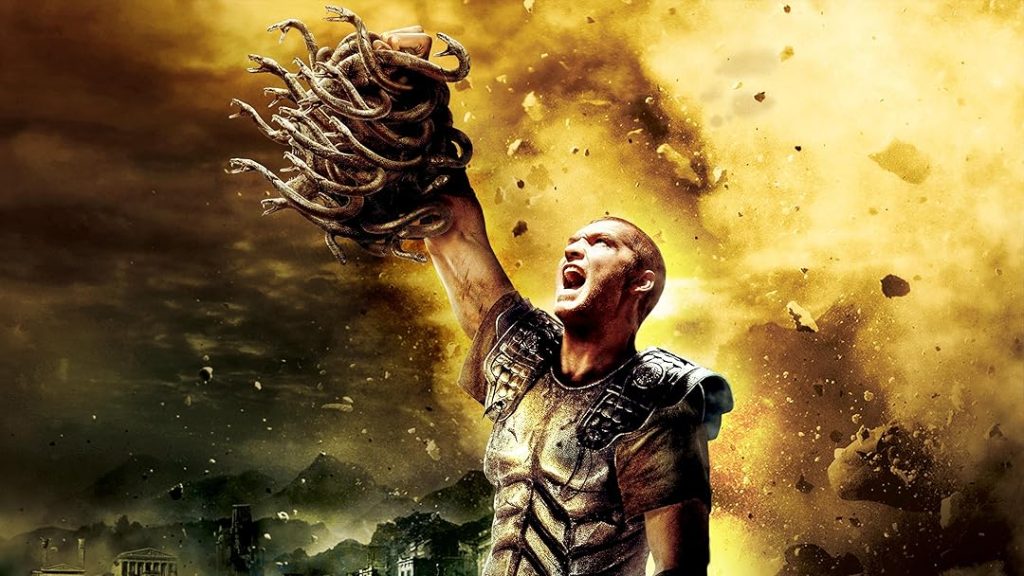
The 1981 Clash of the Titans, and its 2010 remake, cemented Perseus and Medusa in the minds of a new generation, showcasing the spectacular battles between mortals, monsters, and gods. Disney’s animated Hercules (1997) offered a lighthearted, musical take on the demigod’s journey, making the myths accessible and entertaining for younger audiences while still retaining core elements of the hero’s trials.
More recently, the Percy Jackson & the Olympians film series, based on Rick Riordan’s hugely popular books, transported the gods into contemporary America, reimagining Mount Olympus as existing above the Empire State Building and demigods attending a special summer camp. While the films received mixed reviews, their very existence highlights the enduring appeal of these stories to a young adult demographic. Films like Immortals (2011) and Wrath of the Titans (2012) continued to explore the darker, more action-oriented aspects of divine power struggles. Even films not directly about Greek myths often borrow heavily from their themes and archetypes; the “hero’s journey” itself is a narrative template directly influenced by classical epics like Homer’s Odyssey.
The Small Screen’s Divine Dramas: Netflix and Beyond
The episodic nature of television is ideally suited to exploring the sprawling narratives and intricate relationships of Greek mythology. Streaming platforms, particularly Netflix, have embraced this potential, offering a new wave of adaptations that cater to diverse tastes.
Netflix’s Kaos (released in 2024), for instance, offers a dark comedy reimagining of Greek myths, featuring Jeff Goldblum as a paranoid and insecure Zeus. This series exemplifies a growing trend of reinterpreting these ancient figures with a modern, often satirical, lens, focusing on their dysfunctional family dynamics and their impact on humanity. This approach allows for both reverence for the source material and a fresh, contemporary perspective that appeals to a sophisticated audience.
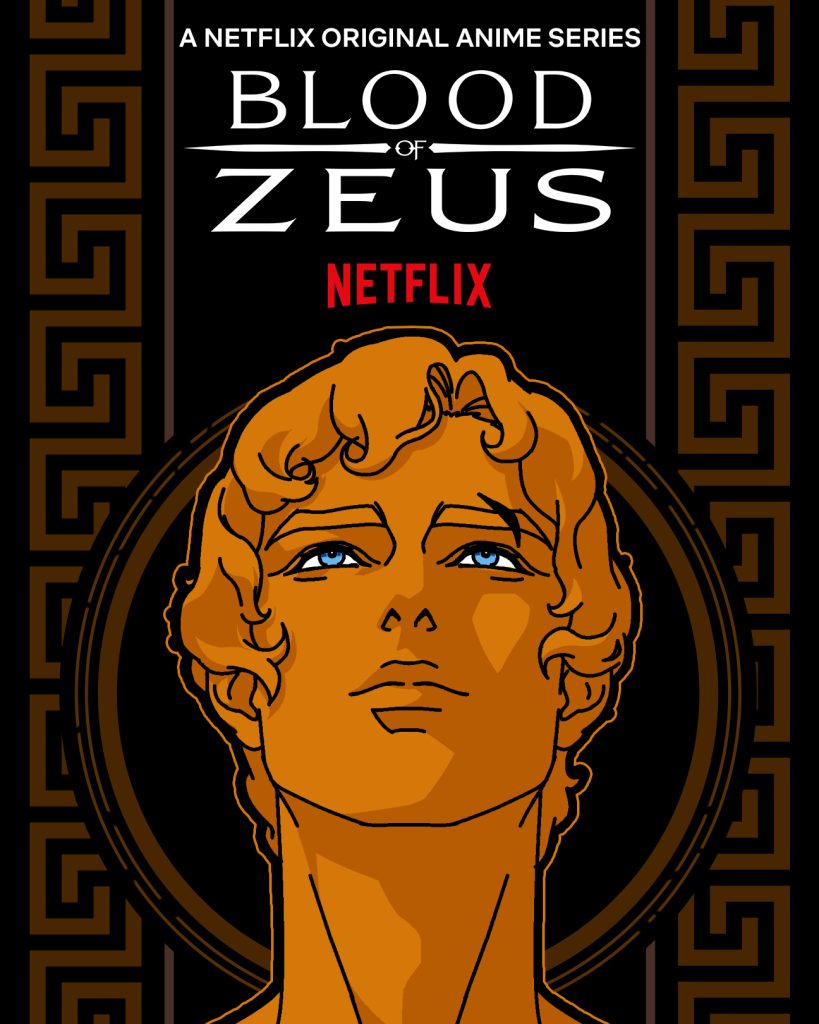
Other series, like Blood of Zeus, an animated Netflix original, deliver high-octane action and dramatic storytelling rooted firmly in the mythological canon. These shows demonstrate that Greek myths can be a springboard for compelling fantasy narratives, bringing the epic scale of divine conflicts to life with stunning visuals and intricate plotlines. The ongoing success of the Percy Jackson and the Olympians series on Disney+ also underscores the demand for well-produced, faithful adaptations that cater to a dedicated fanbase, with Season 2 anticipated in 2025. Even upcoming titles like Netflix’s Twilight of the Gods (2024/2025), though Norse, signal a continued appetite for mythological narratives on streaming platforms.
Beyond direct adaptations, countless shows draw subtle or overt inspiration. The trope of powerful, often flawed, beings with supernatural abilities influencing the mortal world can be traced back to the Olympians. Even the intricate political machinations and power struggles seen in popular dramas often echo the tumultuous relationships and alliances on Mount Olympus.
The Mythological Realms of Gaming: Interactivity with the Immortals
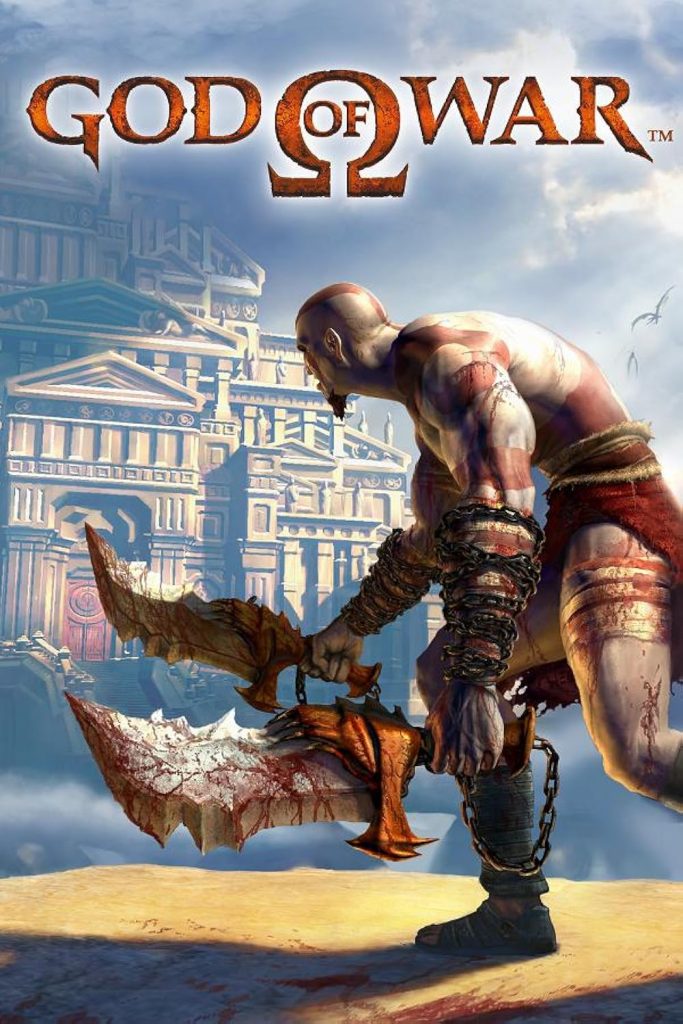
Video games offer an unparalleled level of immersion, allowing players to not only witness but actively participate in mythological sagas. The God of War series stands as a towering example of Greek mythology’s influence on gaming. Starting with Kratos’s brutal quest for vengeance against the Olympian gods, the franchise reimagined iconic figures like Zeus, Hades, and Athena with a gritty, visceral intensity. These games don’t just retell myths; they put players in the sandals of a demigod, grappling with divine power and tragic destiny. The series’ evolution, particularly with the Norse mythology pivot in later installments, demonstrates the enduring power of myth as a foundation for rich, character-driven narratives.
Beyond God of War, numerous other games draw inspiration. Hades, an acclaimed roguelike, offers a stylish and witty take on the underworld, with Zagreus, son of Hades, attempting to escape his father’s domain. This game highlights the potential for character-driven storytelling within mythological frameworks, exploring complex family dynamics and the nature of rebellion.
Games like Assassin’s Creed Odyssey transport players directly into ancient Greece, allowing them to interact with historical figures and legendary locations, often encountering mythical creatures and subtle nods to the gods. The upcoming Age of Mythology: Retold (releasing in September 2024 for PC/Xbox and March 2025 for PS5) is a highly anticipated real-time strategy game that will allow a new generation of players to command mythological armies and invoke divine powers. The interactive nature of video games provides a unique avenue for audiences to engage with and even shape their own versions of these ancient tales.
Literature’s Labyrinth: Reimagining the Classics
While films and games offer visual and interactive experiences, literature remains a cornerstone of mythological engagement. Contemporary authors are continually reimagining Greek myths, offering fresh perspectives and exploring untold stories.
Madeline Miller’s Circe and The Song of Achilles are prime examples of this trend. Miller breathes new life into characters often relegated to the sidelines of grand narratives, giving voice to the witch Circe and exploring the poignant love story between Achilles and Patroclus. These novels delve into the psychological depths of these figures, making them relatable and profoundly human.
Rick Riordan’s Percy Jackson & the Olympians series, as mentioned, has been instrumental in introducing a new generation to Greek mythology. By placing demigods in modern-day settings and making the gods themselves flawed and often hilarious, Riordan has demystified the ancient world and made it incredibly engaging for young readers.
The trend of Greek mythology retellings continues strong into 2024 and 2025, with authors like Jennifer Saint (Hera), Nataly Gruender (Medusa), and Claire North (The Last Song of Penelope) releasing new works. These literary re-imaginings often explore untold female perspectives, delve into LGBTQ+ themes, or offer unique genre blends, demonstrating the flexibility and enduring thematic power of these stories.
Beyond Entertainment: Mythology’s Everyday Presence
The influence of Greek mythology extends far beyond dedicated entertainment products. It has subtly, and sometimes overtly, woven itself into the fabric of our everyday lives.
Brand Names and Logos Inspired by Greek Myths
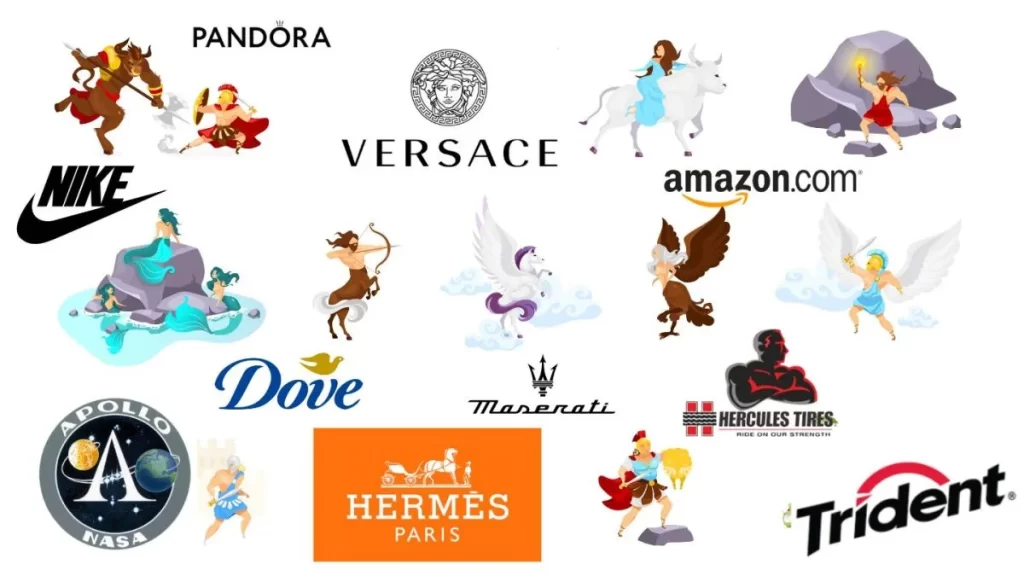
One of the most pervasive, yet often unnoticed, ways Greek mythology impacts modern life is through brand names and logos. Companies frequently draw on these ancient tales, seeking to evoke specific qualities, powers, or ideals associated with gods, heroes, or mythical concepts. This makes Greek gods in popular culture visible in commerce.
- Nike: Perhaps the most famous example, this global sportswear giant is named directly after Nike, the Greek goddess of victory. The iconic “swoosh” logo is even said to symbolize her wings, perfectly encapsulating the brand’s aspiration for athletic triumph.
- Hermès: The luxury fashion house is named after its founder, but the founder’s name itself is derived from Hermes, the Greek messenger god, known for speed, commerce, and travel. This association subtly imbues the brand with qualities of swiftness and high-status communication.
- Versace: The striking Medusa head is the logo for this high-fashion brand. Founder Gianni Versace chose Medusa because whoever fell in love with her could not escape her, a captivating and powerful metaphor for the brand’s allure and dominant style.
- Amazon: While Jeff Bezos reportedly named the company after the Amazon River, the river itself was named after the legendary Amazons, a tribe of fierce female warriors. This connection subtly suggests the company’s vastness and strength.
- Pandora: The popular jewelry brand draws its name from Pandora, the first woman in Greek mythology, whose story is associated with gifts and curiosity. This aligns well with a brand that creates gifts and treasures.
- Starbucks: The siren in the Starbucks logo is directly inspired by the Sirens of Greek myth – beautiful, dangerous creatures who lured sailors with their enchanting songs. While controversial, it suggests an irresistible allure to their coffee.
- Ajax: The household cleaning product is named after Ajax, a powerful Greek hero of the Trojan War known for his great strength and ability to “clean up” in battle. This directly reflects the product’s function.
- Olympus: The camera and optics company is named after Mount Olympus, the mythical home of the gods, symbolizing aspiration for peak performance and divine quality.
- Goodyear: The tire company’s winged foot logo is inspired by the winged sandals of Hermes (Mercury), emphasizing speed and swift delivery.
This widespread adoption of mythological names and symbols in branding demonstrates their inherent power to convey deep meaning, trust, and aspirational qualities in a global marketplace.
Continued Everyday Presence:
Language and Idioms: Our language is peppered with phrases and words derived from Greek mythology. “Achilles’ heel” for a weak point, “Herculean task” for a monumental effort, “Pandora’s Box” for a source of unforeseen troubles, and “Narcissistic” for excessive self-love – these are just a few examples of how these ancient stories have shaped our vocabulary and provided readily understandable metaphors.
Art and Design: From Neoclassical architecture to modern sculptures, Greek mythological motifs continue to inspire artists and designers. The enduring aesthetic appeal of classical forms and the symbolic richness of mythological figures make them a perennial source of creative expression.
Psychology and Philosophy: Concepts like the “Oedipus complex” in Freudian psychology demonstrate the deep imprint of Greek myths on our understanding of the human psyche. The philosophical debates sparked by ancient Greek thinkers, often referencing mythological paradigms, continue to inform contemporary thought.
The Olympian Echo: Greek Mythology in Political Discourse
Beyond its ubiquitous presence in entertainment and everyday life, Greek mythology has long served as a powerful rhetorical tool in political discourse. Its rich narratives, archetypal characters, and established moral frameworks offer a compelling shorthand for complex ideas, allowing politicians and commentators to draw parallels, convey warnings, or inspire action.
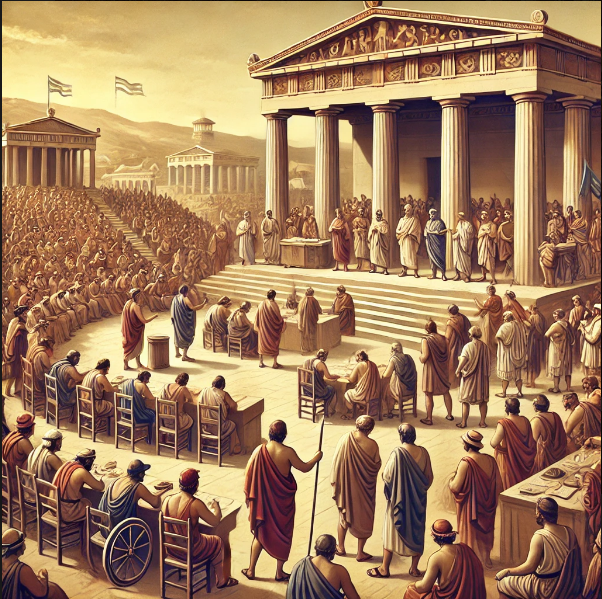
1. Evoking Ideals and Foundations: The very roots of Western democracy are often traced back to ancient Greece, making its myths and historical figures potent symbols for political ideals. Concepts like demokratia (rule by the people) and the importance of civic duty are intrinsically linked to the Athenian polis. Politicians might invoke the wisdom of Athena, goddess of strategy and justice, to frame their policies as well-considered and fair. The image of Lady Justice, often seen adorning courthouses worldwide, is a direct descendant of the Greek goddess Themis and her daughter Dike, embodying the principles of law and order. Referencing these figures lends a sense of timeless legitimacy and moral authority to arguments.
2. Warnings Against Hubris and Tyranny: The tragic tales of characters brought low by hubris – excessive pride or defiance of the gods – serve as powerful cautionary tales in political rhetoric. A leader who overreaches, ignores warnings, or succumbs to arrogance might be likened to Icarus flying too close to the sun, or a tyrannical king who ultimately faces divine retribution. This mythological framework allows for a critique of power without directly attacking an individual, instead framing their actions within a well-understood narrative of inevitable downfall. The stories of battles against monstrous tyrants, such as Theseus against the Minotaur, can be used to rally support against perceived oppressors or to portray a political struggle as a heroic quest for freedom.
3. Framing Political Battles and Opposition: Greek myths are replete with epic conflicts, power struggles, and feuding factions. These narratives provide a ready-made lexicon for describing contemporary political battles. Opponents might be cast as insidious “Hydras” with many heads, implying that defeating one aspect of an issue only leads to the emergence of others. A difficult negotiation could be called a “Gordian knot” requiring a decisive, unconventional solution. The “Trojan Horse” metaphor is frequently employed to describe a seemingly beneficial proposal that secretly harbors destructive intentions. By framing political adversaries or challenges through these mythological lenses, speakers can create vivid imagery and evoke strong emotional responses in their audience.
4. Inspiring Heroism and Collective Action: Conversely, mythological heroes like Heracles, Perseus, or Achilles can be invoked to inspire courage, resilience, and collective action. A political leader might call upon citizens to undertake a “Herculean task” to overcome a national crisis, implying that while difficult, the goal is achievable through sustained effort and shared determination. The idea of a “hero’s journey” resonates with narratives of political campaigns, where a candidate (the hero) confronts obstacles and challenges to achieve a desired outcome for the populace.
5. Crafting a National Narrative: In some nations, particularly those with a direct historical link to ancient Greece or Rome, mythology can play a role in shaping national identity and political narratives. The design of coinage, public buildings, and national symbols often incorporates mythological figures or motifs to signify continuity, strength, or specific national values. The very idea of “Western civilization” itself is often anchored in the classical world, making its myths a foundational element of its perceived heritage and, by extension, its political and cultural discourse.
6. The “Myth” as Political Tool: It’s also important to acknowledge that the term “myth” in political discourse can also take on a more negative connotation. A “political myth” can refer to a widely held but often unfounded belief that serves to legitimize power or rally a group around a common cause, even if it deviates from historical fact. This usage, while distinct from direct mythological references, still underscores the power of narrative and shared belief, echoing the original function of myths in ancient societies to explain and validate their world.
The deployment of Greek mythology in politics is for sure a testament to its enduring power as a communicative and persuasive tool. Whether used to idealize, warn, frame conflict, or inspire, the stories of Mount Olympus continue to provide a rich vocabulary for navigating the complexities of human governance and ambition.
The Future of the Olympians: Endless Reinvention
The journey of Greek gods from Mount Olympus to Netflix and into the very fabric of our everyday lives and political discourse is far from over. As technology evolves and storytelling techniques diversify, we can expect even more innovative and imaginative interpretations of these timeless tales. More interestingly, virtual reality experiences might allow us to walk among the gods, interactive narratives could give us direct control over mythological destinies, and new forms of media will undoubtedly emerge to house these ever-adaptable stories.
The enduring appeal of Greek mythology, I believe, lies in its ability to simultaneously transport us to a fantastical past and hold a mirror up to our present. These stories, born from a need to understand the world and human nature, continue to offer profound insights, exhilarating adventures, and a rich cultural heritage that transcends time and medium. What makes them so persistent is their relevance. The form might change, but the content rarely does! So, whether you’re binge-watching a new series on Netflix, battling mythical beasts in a video game, listening to a political speech, or simply encountering a familiar phrase, remember that the echoes of Mount Olympus are all around us, proving that the gods, though ancient, are anything but forgotten. Their reign in popular culture and political consciousness shows no signs of waning; indeed, it seems they are truly immortal.