
Migration and identity; in today’s interconnected world, discussions around migration and immigrants often fall into rigid binaries: victim or threat, legal or illegal, grateful or ungrateful. Yet, the lines and boundaries between countries have become more blurred than ever. It’s now common to encounter people from China, India, Africa, Latin America, or the Middle East in the heart of Europe. While previous generations of immigrants might have felt alienated, migration has profoundly reshaped the fabric of many nations over time.
Despite growing societal diversity, immigration remains one of the most contested topics of our time, bringing with it significant challenges of migration. Beyond the headlines and political rhetoric lie countless human stories of migration – narratives of longing, resilience, and the complex question of immigrant identity as individuals strive for a sense of belonging in immigration journeys.
The Changing Face of Global Migration
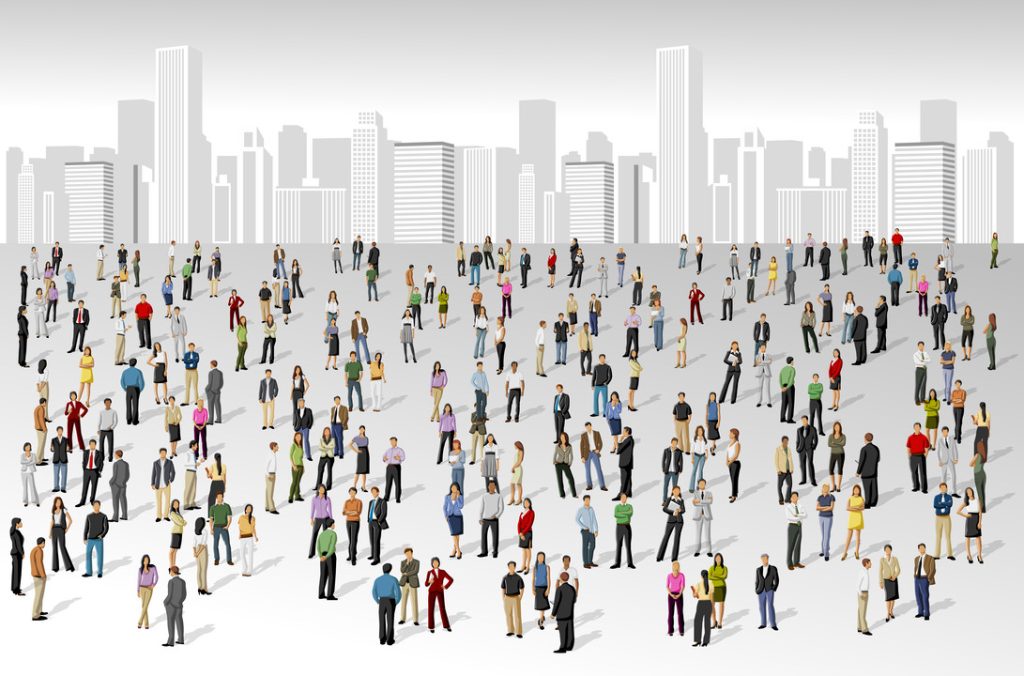
In recent years, migration has undeniably become a defining feature of the global landscape. Wars, economic crises, and the pervasive impacts of climate change migration have driven millions from their homes, seeking safety, opportunity, or simply survival. We witness this in the refugees fleeing the war in Ukraine, migrants escaping conflict in Syria and Sudan, and people forced from their homelands due to droughts and floods directly linked to climate change.
Concurrently, globalization and technological advancements have eased cross-border movement for many, allowing students, skilled workers, and entrepreneurs to create multicultural and multilingual communities. However, it’s crucial to remember that migration is not a new phenomenon. People have always moved in search of safety, freedom, or better opportunities. What’s fundamentally changed is the scale, speed, and visibility of these movements, along with their driving forces.
Yet, this profound movement is not always met with open arms. Across Europe, North America, and parts of Asia, political debates rage over immigration policies, border security, and questions of national identity. The rise of populist and nationalist movements frequently fuels narratives portraying immigrants as threats rather than vital contributors to society. Navigating these challenges of migration becomes central to understanding immigration issues.
Amidst these complex realities, one truth is clear: migration isn’t merely about geography; it’s deeply intertwined with identity, belonging, and how individuals reconcile their past with their present. Migration has become intensely political, sparking debates about who truly belongs. Governments implement stricter controls and build borders, while rhetoric often unfairly paints migrants as threats, overlooking their deep integration into economies and communities. These narratives often ignore the fact that most are simply striving for safe, dignified lives.
Beyond policies, migration catalyzes significant transformations in cities worldwide. Neighborhoods from London to Sydney resonate with diverse languages, cuisines, and cultures. Schools, workplaces, and social spaces are evolving into vibrant multicultural meeting grounds, fostering new art forms, music, literature, and businesses born from cultural blending.
Nevertheless, these shifts are not without tension. Questions of integration, cultural identity immigration, and belonging remain pressing. Even in diverse cities, immigrants may encounter discrimination, cultural misunderstandings, or economic inequality. For many, the journey doesn’t conclude at the border; it continues as they navigate life in a society that may not fully see or accept them.
Today’s migration is a story of paradoxes, bringing opportunity and hardship, hope and fear. It’s actively reshaping nations, communities, and individual lives in ways that will define the 21st century. At its core, it affirms a simple truth: human beings have always moved, and will continue to move, in search of a better life, continuously forging new facets of immigrant identity.
A Historical Perspective on Migration and Identity
To fully grasp the contemporary landscape of migration and identity, it’s crucial to examine historical migration patterns. Human history is intrinsically linked to movement across continents, driven by various factors like war, poverty, adventure, or the universal search for a better life. While these fundamental motivations endure, the ways migration shapes our sense of identity have continually evolved.
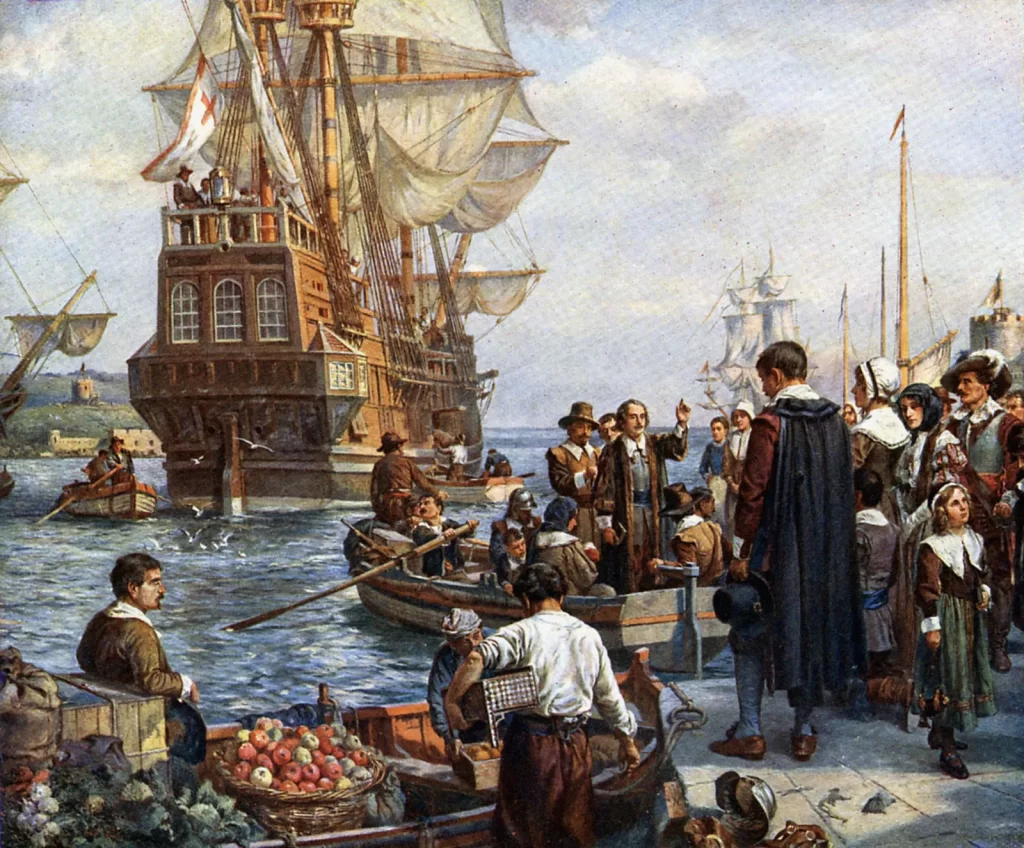
The compelling story of immigration to America, for instance, predates the modern age, shaped by hope, desperation, and often, coercion. In the 17th and 18th centuries, many Europeans fled religious persecution, seeking freedom to worship and live according to their values. Others escaped crushing poverty, famine, or the rigidity of class systems. America symbolized a blank slate for them, a place where old rules might not apply.
Economic opportunity served as a powerful magnet, particularly in the 19th century. The Industrial Revolution triggered waves of rural displacement, leading people from Ireland, Italy, Germany, Scandinavia, and later Eastern Europe to seek better lives in American cities or the Midwest. Many were drawn by promises of jobs and prosperity, while others had no real choice, forced to flee political unrest, wars, or persecution, such as Jewish communities in Eastern Europe or Armenians under the Ottoman Empire.
Tragically, not all came by choice. The transatlantic slave trade forcibly brought millions of Africans to the Americas, tearing them from their homes and cultures into generations of enslavement. Their stories, though often marginalized in the broader immigration narrative, form an undeniable and painful part of this history.
In essence, people came to America for freedom, safety, and survival, while others were brought unwillingly. Together, these movements formed a nation built on a rich tapestry of languages, customs, and dreams. Understanding these diverse historical migration patterns helps us recognize that identity and belonging have always been fluid and complex in America—never static, always in motion.
Massive waves of migration continued to the Americas, with millions of Europeans crossing the Atlantic. Each group, from Irish families escaping the Great Famine to Eastern European Jews fleeing pogroms, carried their languages, customs, and memories into a new world.
Arrival, however, was merely the beginning. New immigrants frequently faced suspicion, hostility, and outright discrimination. Many viewed them as outsiders, perceiving them as threats to jobs and culture. Despite these challenges of migration, these individuals didn’t merely assimilate; they transformed society. They reshaped cities, influenced culture through music and food, and enriched the very idea of what a nation could be.
Simultaneously, these immigrants wrestled with profound questions of immigrant identity. How much of their old traditions should they retain? What aspects of their heritage could they openly share without being marked as ‘different’? Children often felt caught between two worlds, navigating their parents’ language at home and English at school, privately celebrating old festivals while embracing new public ones. This highlights the ongoing negotiation of cultural identity immigration.
Fast forward to today, and migration continues to transform societies globally. Conflicts still uproot millions, like refugees from Syria, Afghanistan, or Ukraine, seeking safety just as earlier generations did. However, modern migration also carries new pressures and possibilities. A significant contemporary factor is climate change migration. Rising sea levels, droughts, and violent storms render parts of the world uninhabitable, forcing entire communities to relocate not due to politics or war, but because their land can no longer sustain their way of life. This type of migration raises deep questions about identity – how does one carry their home and culture when their homeland disappears?
Furthermore, globalization and technology have a profound impact. Today’s migrants can travel farther and faster, maintain instant contact with family via video calls, and build online communities stretching across continents. Identity is now often fluid and layered; people don’t have to choose a single place or culture but can inhabit multiple worlds simultaneously.
Yet, mirroring the experiences of past immigrants, modern migrants still confront political debates and social tensions concerning belonging in immigration. Questions of who “counts” as part of the nation, and who remains an “other,” persist. These aren’t new questions, but they feel urgent in an era where borders seem both easier to cross and more fiercely guarded.
Walking through global cities today, one sees the living legacy of migration: a vibrant mosaic of languages, food, music, and festivals. Beneath this rich diversity, however, remain human stories of migration filled with struggle, prejudice, and identity conflict. For many migrants and their children, identity is a delicate balancing act – preserving roots while adapting to new environments, creating new traditions without losing old ones. It’s a continuous, sometimes joyful, sometimes painful negotiation.
History clearly demonstrates that migration transforms not only the migrants themselves but also the societies they join. The once-excluded Irish, Italians, and others are now celebrated as integral to the national story, their blended identities forming new facets of a nation’s identity.
Thus, contemporary migration is a continuation of this complex, sometimes divisive, but ultimately hopeful and possibility-rich narrative. It powerfully reminds us that identity is never fixed; it’s something we carry, shape, and share. In a world where borders increasingly blur, it truly becomes a story about all of us, deeply intertwined with migration and identity.
The Struggle to Shape Immigrant Identities
The journey of immigrant identity formation is rarely simple; it is a profound and often lifelong process. Upon arrival in a new country, migrants often face the challenge of reconciling their deep-rooted heritage, including their language, customs, and values, with the expectations and norms of their new society. This can lead to a delicate balancing act, where individuals strive to maintain vital connections to their past and cultural origins while simultaneously adapting and integrating into their new environment. The process of shaping a new cultural identity amidst unfamiliar social structures, different legal, educational and administrative systems, and new linguistic landscapes is a testament to immense human resilience.
Yet, it frequently involves internal conflict, a sense of being caught between worlds, and a persistent search for a sense of true belonging—a place where one feels fully seen and accepted. This ongoing negotiation highlights the complex challenges of migration that extend far beyond physical borders, touching the very core of who a person is and how they perceive their place in the world.
The Darker Side: Confronting Racism Against Immigrants
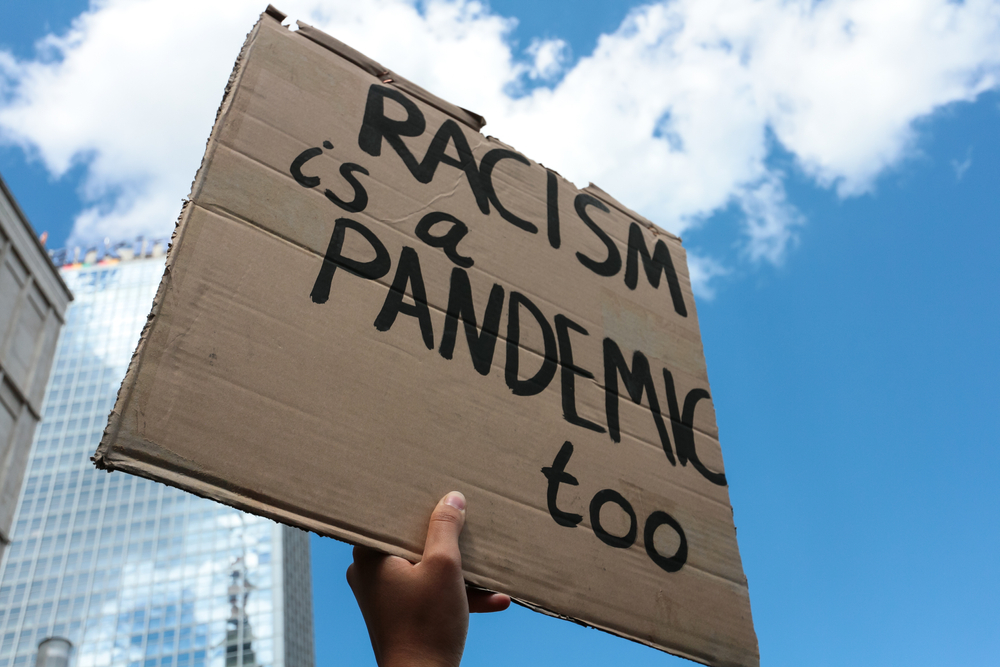
While migration profoundly enriches societies and expands our understanding of identity, it also exposes deep-rooted fears and prejudices. Racism against immigrants and immigrant phobia—the fear or hatred of immigrants—remain significant barriers that many migrants face daily. These issues don’t just affect individuals; they permeate entire communities and shape national conversations about belonging in immigration.
It’s vital to state clearly: racism is not merely personal prejudice. It’s often systematically embedded within institutions, laws, employment practices, housing, education, and media. When immigrants are consistently portrayed as threats—job thieves, purveyors of crime, or “unassimilable”—these stereotypes infiltrate the national imagination, fueling fear and division. This underscores the severe challenges of migration beyond mere movement.
Consider the language in political debates or media: terms like “invasion,” “flood,” or “burden” do more than describe migration—they incite fear, portraying migrants as enemies rather than people. Such rhetoric justifies harsh immigration policies, border walls, and even acts of violence and discrimination.
However, immigrant phobia is frequently rooted in myths. Research consistently shows that immigrants contribute enormously to economies, culture, and social life. They launch businesses, fill essential jobs, enrich neighborhoods with new ideas, and strengthen community ties. Yet, too often, they are scapegoated during economic hardship or political unrest.
For migrants, these experiences of racism and exclusion strike at the core of their immigrant identity. Imagine trying to forge a life in a new country, only to be implicitly told you don’t belong, that your culture is inferior, or that your accent, skin color, or traditions brand you as a perpetual outsider. This rejection creates a painful chasm between how migrants perceive themselves and how they are perceived by others, profoundly impacting their sense of belonging.
Children of immigrants acutely feel these tensions. They navigate between two worlds, sometimes pressured to suppress their heritage to “fit in” at school or work, while simultaneously honoring their families’ roots. This struggle over cultural identity immigration can affect mental health, confidence, and their inherent sense of belonging.
It’s crucial to acknowledge that racism against immigrants and immigrant phobia are not inevitable. They are societal choices, driven by fear or political agendas, but they can be challenged and transformed. We observe resistance in communities where migrants organize, share their human stories of migration, and openly celebrate their cultures. Art, literature, film, and music become powerful tools to humanize migrants and dismantle stereotypes. When we engage with these narratives, we begin to see migrants not as threats, but as individuals with hopes, fears, and complex identities.
Recognizing the damaging impact of racism also demands reflection on our own attitudes. It calls on us all to question accepted narratives, speak out against discrimination, and build bridges of understanding. Migration, identity, and belonging are not mere academic concepts; they are the lived realities for millions. Confronting racism is essential for fostering societies where everyone truly has the chance for belonging.

How We Can Foster Belonging and Understand Immigration Issues
To truly grasp these complex realities of migration and identity, we must listen to the human stories of migration that exist beyond the headlines—narratives in novels, films, and art that capture personal and emotional truths. These narratives reveal how identity is shaped by experience, how racism against immigrants cuts deep, and how hope and resilience endure. But stories alone aren’t enough. What concrete steps can we, as members of society, take to help address these challenges of migration and foster a sense of belonging for all?
Here’s how we can actively promote understanding immigration issues and support a more inclusive society:
- Cultivate Awareness: Begin by challenging our own assumptions and biases. This means critically questioning media and political narratives that dehumanize migrants. When encountering stories about immigrants, seek their full humanity beyond simplistic stereotypes.
- Foster Inclusion: Create spaces where diverse cultural identity immigration is not just tolerated but celebrated. In schools, workplaces, and neighborhoods, promote intercultural dialogue, support migrant-led initiatives, and encourage the sharing of stories and traditions. Simple acts—like attending cultural events or supporting immigrant-owned businesses—can make a real difference.
- Engage in Advocacy: Support fair immigration policies and oppose discriminatory laws. Voting, participating in community discussions, or volunteering with organizations assisting migrants are concrete ways to stand against racism and exclusion.
- Embrace Empathy: Understand that migration is often a journey of immense resilience and hope. This helps us see migrants not as “others,” but as neighbors, friends, and colleagues. When we listen, learn, and connect on a human level, we dismantle walls of fear and misunderstanding, helping individuals find belonging.
Migration is a shared story, intrinsically linked to all our identities. By choosing openness over fear, action over silence, and empathy over judgment, we can build communities where everyone truly achieves belonging in immigration.

Resources for Understanding Migration: Books and Films on Immigrant Identity
To expand your knowledge and develop deeper empathy for the immigrants you encounter daily, consider these inspiring books and films. They offer invaluable human stories of migration, going beyond headlines to capture the personal and emotional truths. These narratives powerfully reveal how identity is shaped by experience, how racism against immigrants cuts deep, and how hope and resilience persist despite the challenges of migration.
Recommended Reading:
- Chimamanda Ngozi Adichie’s Americanah: This novel follows a Nigerian woman’s journey to America, detailing her struggle to navigate race and identity in a new land. It illustrates how the immigrant experience is not just about physical relocation but a profound confrontation with self.
- Monica Ali’s Brick Lane: This book provides an intimate look at the everyday realities of a Bangladeshi woman in London, exploring the tensions of cultural belonging and exclusion inherent in immigrant identity.
- Jhumpa Lahiri’s The Namesake: This novel, which I’ve previously discussed, tells the story of an Indian-American family navigating their cultural identity in the U.S., particularly focusing on the struggles of the second generation to balance tradition and assimilation. The film adaptation beautifully captures the nuances of immigrant identity—how past and present collide, and how names carry meaning beyond words.
- My Boy Will Die of Sorrow: Written by Efrén C. Olivares, this book captures the heartbreaking reality of families separated at the U.S.-Mexico border, showing that the reasons people migrate—hope, safety, survival—remain as urgent now as they were hundreds of years ago.
Must-Watch Films:
- Brooklyn (2015): This film offers a heartfelt glimpse into the emotional tug-of-war central to the immigrant experience—the yearning for home versus the desire to achieve belonging in a new place.
- Gran Torino (2008): Directly confronting immigrant phobia, this film unpacks racial tensions in a Detroit neighborhood, demonstrating how fear and misunderstanding can be overcome through human connection. It helps viewers in understanding immigration issues on a personal level.
- The Visitor (2007): This film follows a lonely professor who forms a bond with undocumented immigrants in New York City, shedding light on issues of deportation, cultural isolation, and the profound human impact of immigration laws.
- Persepolis (graphic memoir by Marjane Satrapi and animated film adaptation): This powerful true story chronicles Satrapi’s childhood and early adulthood in Iran during the Islamic Revolution, and her subsequent life as an immigrant in Europe. It explores how political upheaval can force migration, and how deeply she struggled with feeling like an outsider, illustrating the complexities of identity when caught between two cultures.
- In This World (2002): Directed by Michael Winterbottom, this documentary powerfully displays how migration is the sole means for survival for many individuals from less fortunate regions. It underscores that for countless people, migration isn’t about adventure or dreams; it’s a life-or-death necessity, a core part of their human story of migration.
These stories are more than entertainment; they are acts of resistance, sources of inspiration, and profound educational tools. They directly challenge the stereotypes that fuel immigrant phobia by portraying migrants as fully human, with complex identities shaped by multiple histories and hopes. Through these narratives, we begin to understand that identity is fluid and layered, never fixed; that belonging is something that can be claimed and shared; and that immigrants are far more than just “immigrants.”