
Mother-daughter dynamic is a tale as old as time. It’s truly amazing how a relationship as universal and deeply personal as the mother-daughter bond can be portrayed in so many different ways on screen and in books. From heartwarming friendships that make us wish we had a Lorelai Gilmore, to intensely complicated and even tumultuous dynamics like those in Ginny & Georgia, TV shows and literature offer a rich tapestry of these connections. They often reflect our own experiences, challenge our perceptions, and remind us just how powerful this unique relationship can be. We’re drawn to these stories because they speak to our own journeys of identity, independence, and the enduring, sometimes challenging, pull of family.
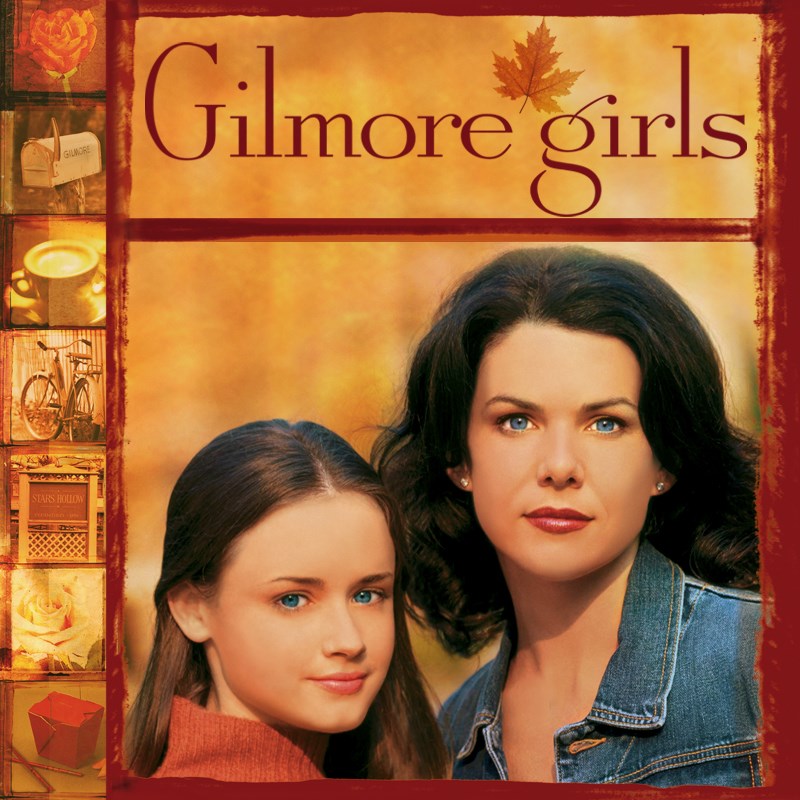
The “BFF” Ideal with Its Quirks: Lorelai and Rory in Gilmore Girls
When you think of a mother-daughter duo that perfectly blurs the lines between parent and pal, Lorelai and Rory Gilmore from Gilmore Girls immediately spring to mind. Their relationship, set against the charming backdrop of Stars Hollow, almost single-handedly redefined what a maternal bond could look like on television. Before the show, it was rare for an intimate, playful relationship between a mother and her daughter to be depicted on screen. We had rarely seen moments in which a mother shares her deepest secrets with her teenage daughter, and a daughter counts her mother as her BFF. This is what makes this show truly revolutionary for its own time, and for ours as well.
On the surface, their connection seems idyllic. Lorelai, a single mom who had Rory at 16, chose to raise her daughter differently from her own strict upbringing. This meant an unconventional blend of rapid-fire pop culture references, witty banter that often sounded like a theatrical performance, and an endless supply of coffee and junk food. They were, in essence, each other’s closest confidantes and biggest cheerleaders. They shared everything – inside jokes, deepest secrets, future dreams, and even their respective boy troubles. This open communication, mutual support, and almost psychic understanding were incredibly refreshing and, for many viewers, the ultimate fantasy of a mother-daughter relationship. This open communication and mutual support were incredibly refreshing and aspirational for many viewers, including myself!
Lorelai was always Rory’s biggest cheerleader, fiercely encouraging her academic ambitions, often making enormous sacrifices to ensure her daughter had opportunities she never did, while Rory often acted as Lorelai’s grounding force, offering mature advice beyond her years. Their dynamic beautifully highlighted the idea of a mother seeing her daughter not just as a child to be disciplined, but as an individual to be celebrated and connected with on a truly peer-like level.
However, this “best friends” approach wasn’t without its complexities. The blurred lines of authority sometimes meant Lorelai struggled to set firm boundaries, occasionally enabling Rory’s less responsible decisions. Lorelai’s own emotional immaturity, often a direct result of her difficult relationship with her own parents, Emily and Richard, sometimes surfaced, unconsciously making Rory feel more like a co-dependent partner or a confidant than a child she could fully lean on for consistent parental guidance. This sometimes shifted the burden of emotional maturity onto Rory. It can be indeed frustrating having to parent your own parent; something Rory had to do inevitably from time to time.
There are many instances that display this imbalance in the mother-daughter dynamic. For example, each time Lorelai goes through heartbreak (mostly caused by the men in her life), it is Rory who is there to comfort her, provide a safe haven for her, or even feed her. At first glance, it can seem like the perfect mother daughter relationship. On second thought, however, it might suggest deeply rooted, unresolved issues that, in time, can take their toll on the child, who in this case, is Rory.
Furthermore, the show masterfully explores the multi-generational aspect of this dynamic through Lorelai’s perpetually strained relationship with her own mother, Emily. Emily and Richard’s rigid, traditional upbringing and expectations led Lorelai to rebel and leave home at a young age. This experience profoundly shaped Lorelai’s desire to be a radically different mother to Rory – one who prioritized emotional closeness over societal expectations. To be fair, this definitely creates a fascinating contrast and shows how past family dynamics can profoundly influence future ones.
With all this said, and despite the occasional bumps and deeper fractures, the core of Lorelai and Rory’s bond was an unwavering, deeply rooted love and an undeniable understanding of each other, which makes them an enduring symbol of a truly supportive, if unconventional, mother-daughter friendship.
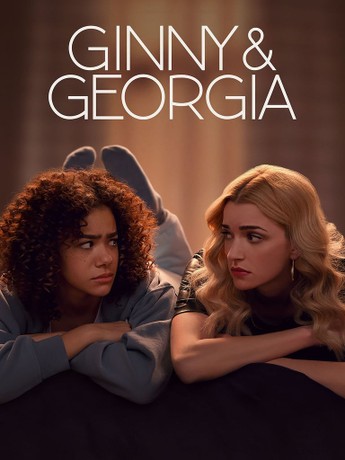
The “Battleground” Reality: Chaos with Ginny and Georgia in Ginny & Georgia
Shifting gears dramatically, Ginny and Georgia Miller from Ginny & Georgia present a far more tumultuous and often unsettling portrayal of the mother-daughter dynamic, which I would say can be interpreted as the other side of the coin. Despite the similarities such as fall vibes, a mother and her daughter, a free-spirited father who is constantly in and out of the picture, a cozy little town, local cafe, the cafe owner secretly being in love with the mother and all the drama of the town members which the two shows (Gilmore Girls and Ginny and Georgia) share, this series dives headfirst into the darker, more secretive aspects of family life, offering a stark contrast to the sunny, albeit quirky, disposition of the Gilmore girls. Ginny and Georgia’s relationship is less about shared coffee and more about shared secrets and simmering resentments.
Georgia, a young mother with a mysterious, dangerous, and criminal past, constantly uproots her children, Ginny and Austin, moving from town to town in pursuit of a “normal” life and escaping the consequences of her actions. This fierce protective instinct, while undeniably born of a deep love for her children, frequently manifests as manipulation, calculated deception, and a near-complete lack of genuine communication with her daughter. Georgia believes she’s doing what’s necessary to shield her kids, but her methods leave Ginny feeling constantly in the dark, exploited, and emotionally neglected.
Ginny, a biracial teenager grappling intensely with her identity, mental health struggles (including self-harm), and the perpetual upheaval of her life, becomes increasingly resentful of her mother’s lies, unpredictable behavior, and the emotional burden she carries. Looking at it from another perspective, had she known the hardships her mother had endured, she might have been more empathetic towards her and understood the reasons, however unreasonable, behind what she does.
Their relationship is a simmering cauldron of unspoken resentments, explosive rebellion, and a profound communication breakdown. Ginny feels consistently unseen and unheard, constantly battling the weight of her mother’s dangerous secrets and the feeling that she’s being controlled rather than genuinely guided. In this case, if they shared the secret-sharing ritual of the Gilmore Girls, they would have been able to foster a more nurturing mother-daughter dynamic.
There are frequent moments of role reversal, where Ginny finds herself questioning Georgia’s adult decisions, feeling a responsibility to shield her younger brother from their mother’s chaotic nature, or even trying to “parent” her impulsive mother. This show masterfully explores the devastating impact of intergenerational trauma, as Georgia’s own difficult, abusive past directly impacts Ginny’s present struggles with anxiety, depression, and trust issues, and in time, this creates a cycle of pain that both women struggle to break.
Key scenes often involve raw, explosive confrontations, where years of unspoken truths and simmering anger finally erupt, laying bare the deep wounds between them. While there are undeniable glimpses of genuine affection and moments where Georgia truly tries to connect (often when Ginny pulls away), her inability to be fully transparent and her constant need to control situations create an almost insurmountable wall between them.
Ginny’s journey throughout the series is deeply tied to untangling herself from Georgia’s complex web of lies, finding her own voice, asserting her independence, and learning to trust herself despite her mother’s chaotic and often harmful influence. It’s a raw, sometimes uncomfortable, but incredibly compelling exploration of a love that is undeniably there, but deeply mired in dysfunction, secrets, and the enduring consequences of past trauma.

Beyond the Core Examples: Other Notable Dynamics
While Lorelai and Rory and Ginny and Georgia offer compelling extremes, many other shows and books provide nuanced insights into the mother-daughter relationship:
- In The Marvelous Mrs. Maisel, we get Midge and Rose Weissman, a classic example of a generational clash. Rose, traditional and focused on appearances, often struggles to understand Midge’s burgeoning career as a stand-up comedian. Yet, beneath the comedic bickering, there’s an undeniable bond of love and a slow but steady evolution of understanding and respect as they each navigate their changing roles in life.
- Lady Bird brilliantly captures the often tumultuous yet deeply loving relationship between Christine “Lady Bird” McPherson and her mother, Marion. Their constant bickering and sharp exchanges mask a profound affection, a push-and-pull as Lady Bird strives for independence while Marion fiercely, if sometimes critically, tries to guide her. It perfectly encapsulates the intensity of adolescence and a mother’s sometimes misunderstood love.
- Little Fires Everywhere offers a fascinating contrast with Mia Warren and her daughter Pearl, whose nomadic, unconventional life is built on mutual devotion. This stands against the more rigid, class-conscious dynamic between Elena Richardson and her daughters. These portrayals highlight different forms of maternal support, independence, and the complexities of motherly expectations, particularly concerning class and race.
- In Joanne Harris’s novel Chocolat (and its delightful film adaptation), we meet Vianne Rocher and her young daughter Anouk. Their relationship is built on a foundation of shared wanderlust, a love for the magical art of chocolate-making, and a deep, quiet understanding. Vianne, with her free spirit and intuitive nature, guides Anouk through various towns, introducing her to life’s pleasures and the subtle magic that exists in everyday things. Anouk, in turn, provides Vianne with a profound sense of purpose and roots, even as they drift. Their bond is one of mutual acceptance and a unique kind of unconventional nurturing, illustrating that home is truly where the heart (and your loved ones) are
Common Threads and Universal Themes
Despite the vast differences in these on-screen relationships, several universal themes emerge that resonate deeply with viewers and readers:
- Love as the Foundation: Even in the most dysfunctional dynamics, an underlying current of love, however twisted or expressed, usually exists. It’s often the driving force, even when manifested imperfectly.
- Identity Formation: Daughters often forge their own identities, whether in direct imitation of their mothers, in stark opposition, or by carving out a unique path that is inevitably shaped by their maternal bond.
- The Power of Communication (or its Absence): Whether it’s the open banter of the Gilmores or the suffocating secrets of the Millers, the way mothers and daughters communicate (or fail to) profoundly shapes their relationship and their individual well-being.
- Sacrifice and Protection: Mothers, in countless ways, make sacrifices and go to extraordinary lengths to protect their daughters, sometimes with questionable methods and unintended consequences.
- Generational Gaps: Differences in upbringing, societal norms, and personal experiences often create gaps that mothers and daughters must navigate to truly understand and appreciate each other.
Finally, the mother-daughter dynamic, in all its messy, glorious, and sometimes heartbreaking forms, is a perpetual source of fascination in popular culture. From the comforting familiarity of a “BFF” bond to the gripping tension of deeply dysfunctional ties, stories like those in Gilmore Girls, Ginny & Georgia, and Chocolat offer more than just entertainment. They provide a mirror reflecting our own experiences, hopes, and challenges within this foundational relationship. These tales remind us that while every mother-daughter bond is unique, the threads of love, identity, and profound connection are woven through them all, making them endlessly relatable and compelling.
What are some of your favorite mother-daughter duos on screen or in books, and what makes their dynamic so compelling to you?