Ever felt like you come from two different worlds, each making your life complex in their own terms? Or do you simply enjoy reading immigrants’ works of art? Does the word “orient” strike you as magical or exotic? Well, then you should definitely try adding Elif Shafak’s books to your book collections.
In the vibrant realm of modern literature, Elif Shafak isn’t just an author; she’s a conductor orchestrating a symphony of cultural fusion. Beyond the gripping narratives and mind-expanding storytelling, Shafak’s novels are an immersive exploration of cultural hybridity and hybrid identity, resonating with global beats. I would like to invite you backstage into Shafak’s world, where I’ll delve into the rich intricacies of her narratives, exploring the nuanced details of cultural diversity and the global rhythms embedded in her storytelling.

First things first, who is Elif Shafak?
Born on October 25, 1971, in Strasbourg, France, Elif Shafak is a prominent Turkish-British author renowned for her captivating storytelling and exploration of complex themes. Growing up in Turkey, Shafak’s early years were marked by exposure to diverse cultural influences, given her parents’ academic background and the international settings in which she lived.
Shafak pursued a degree in International Relations at Middle East Technical University in Ankara, Turkey, before continuing her studies with a master’s degree in Gender and Women’s Studies at the same university. Later, she earned a Ph.D. in Political Science and Political Philosophy from Istanbul’s University of Warwick, United Kingdom.
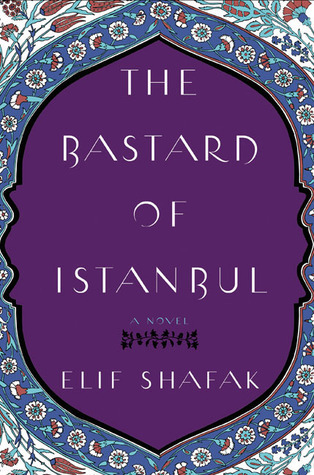
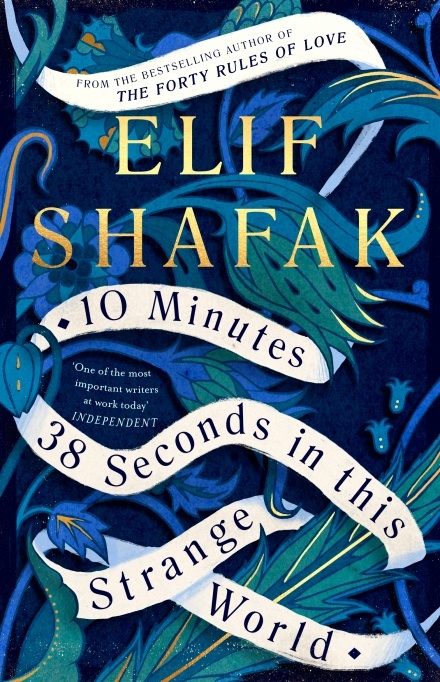
She has written so many remarkable works, but in this post I will mainly focus on three of them: The Bastard of Istanbul, The Forty Rules of Love, and 10 Minutes 38 Seconds in This Strange World.
Shafak’s works often revolve around themes of identity, cultural hybridity, and the intersection of the personal and political. Her narrative style is richly textured, employing a mosaic of characters and timelines to create intricate and thought-provoking stories. She brings different languages and dialects from East and combines them with English, which is the embodiment of Western culture. Her stories revolve around the conflicts between mothers and daughters, fathers and sons, and the old and the new. Those things known as normative cultural standards are what she basically challenges in most of her works. In other words, she looks at universally known concepts (such as love, family, and identity) from a whole new perspective, leaving you in awe of her aptitude.
1. Navigating Multiple Worlds: Cultural Diversity
Shafak’s characters aren’t just navigating; they’re the embodiment of cultural diversity in a mesmerizing dance between tradition and modernity, East and West. Take The Bastard of Istanbul for example, where Asya (a Turkish girl) and Armanoush (an American Armenian girl) confront the historical legacy of the Armenian genocide. Shafak crafts a narrative that’s not merely a plot; it’s a cultural jam session, blending historical echoes with contemporary global vibes, creating a literary remix of the ages.
We have multiple worlds. The world of grandmothers and the world of daughters, generation after generation. Particularly in The Bastard of Istanbul, we have Grandma Shushan (the Armenian one) and her children Vs. Grandma Gülsüm (the Turkish one) and her children coming from two different worlds. We are faced with the complex relationship between the old and the new. Not just any old vs any new; but the old Turkish and Armenian vs. the new Turkish and Armenian. The difference yet similarities between different traditions and cultures of oriental regions is what brings these people together.
It is a beautiful tale of unity and separation, love and hatred, loneliness and togetherness, and many other dichotomies you could imagine. As if you are listening to a sweet bedtime story told by your grandmother, while she is combing and caressing your hair at the same time.
2. Language and Cultural Hybridity in the Contemporary World:
Imagine characters seamlessly switching languages like skilled DJs spinning tracks. In The Forty Rules of Love, characters like Ella Rubinstein traverse linguistic landscapes, vibing with the dynamic nature of cultural identities. Shafak’s linguistic flair is a mixtape of cultural diversity, where languages become instruments contributing to the global melody of her narratives. The novel beautifully weaves Turkish, Arabic, and Persian phrases, creating a linguistic mosaic that mirrors the interconnectedness of cultures. A lot of verses and quotations by Shams and Rumi are actually told in their own language.
The same is also true in The Bastard of Istanbul, in which we are faced with long lists of Turkish and Armenian food names and ingredients. The interesting part is that Shafak does not even need to translate them for us, since the bond between the reader and the story is so profound, that we do not require any equivalents. It is as if our understanding of her work transcends any language and we actually can understand what food she is describing although we have never heard of it nor do we know what it means.
We read Turkish words, as well as Armenian words that she has subtly integrated into her mainly English narrative. This way her readers can feel closer to the people whose stories they are reading. This linguistic fluidity goes beyond mere communication; it becomes a reflection of the characters’ cultural backgrounds and the interconnectedness of diverse linguistic traditions.
Therefore, words become more than tools of communication; they are cultural artifacts that carry layers of history, tradition, and contemporary significance. By choosing specific languages for particular characters or contexts, Shafak creates a symbolic resonance that adds depth to the narrative. what I mean is that by incorporating cultural idioms, expressions, and proverbs, Shafak infuses her stories with the rich linguistic heritage of the settings she portrays. This not only adds authenticity to the narrative but also provides readers with a gateway to the cultural intricacies embedded in language. It’s like taking a linguistic journey through the streets of Istanbul or the landscapes of Turkey, where every phrase carries a cultural resonance.
As a result, Language, for Shafak, becomes a bridge between cultures. The cultural hybridity and identity of her characters are effortlessly portrayed through her subtle use of languages and their combination.
3. Globalized Urban Spaces; Cultural Identities:
Shafak doesn’t just set scenes; she creates urban hotspots pulsating with global energy, especially in Istanbul. In The Bastard of Istanbul and The Forty Rules of Love, the city itself becomes a character, embodying the dance between tradition and modernity. Istanbul’s streets, markets, and cafes serve as a vibrant canvas where characters grapple with their identities amid a transforming cultural landscape. It’s a cultural rave, where the transformative power of globalization is felt in the rhythm of the streets, blending the old and the new.
Shafak transforms urban settings, especially Istanbul, into microcosms of cultural diversity and global interaction. The cityscape becomes a canvas on which different cultures, traditions, and histories converge. Streets, markets, and cafes are not merely physical spaces; they are dynamic arenas where the global and the local intersect, creating a vibrant tapestry of human experience and cultural diversity.
In her urban landscapes, the influence of global trends is palpable in everyday life. Characters engage with global ideas, fashion, and cultural phenomena, showcasing the permeation of global influences into the fabric of local existence. The urban setting becomes a lens through which readers can observe the subtle and overt ways in which globalization shapes individual experiences.Take Asya in The Bastard of Istanbul for example. To her and pretty much all of her friends, Café Kundera is much more than a café. It is where convention meets modernity, where the old meets the new, and when the half-full glass meets the half-empty. It is where they share their insights on the lives they are leading in this chaotic world. They discuss history, philosophy, and art. It is their haven, an escape way to which they rush from their everyday life.
The city itself means so many things to Asya. Her binary relationship with Istanbul is highlighted by how she is running away from it while at the same time, can’t let go of it altogether. For Shafak, urban spaces serve as the stage for the dynamic dance between tradition and modernity. Istanbul, in particular, becomes a city where historical landmarks coexist with modern architecture, where traditional bazaars neighbor contemporary art galleries. This juxtaposition reflects the broader theme of cultural hybridity and hybrid identity, showing how urban spaces can encapsulate the complexities of a society caught between its historical roots and the forces of globalization.
Asya, for example, loves listening to American songs, and reading Western literature, while Armanoush has her own list of Eastern favorite music and books. The two girls coming from two different sides of the planet, seem to be interested in the other side’s heritage.
Elif Shafak’s works don’t just describe urban settings; she highlights specific cultural hotspots within these spaces. Whether it’s a bustling market, a vibrant neighborhood, or a historical landmark, these places become focal points where characters navigate their identities and relationships. These cultural hotspots embody the energy of cultural hybridization and globalization, serving as meeting points for individuals from diverse backgrounds. We read detailed descriptions of streets, restaurants, and neighborhoods and can vividly imagine actually walking in them.
It certainly happens in The Bastard of Istanbul, and 10 Minutes 38 Seconds in This Strange World. What the women of these books go through is explicitly shown through detailed descriptions of taxi drivers, pavements, the hustle and bustle of the market, and so forth.
Urban spaces in Shafak’s novels undergo transformations over time, mirroring the evolving nature of culture in a globalized world. Old neighborhoods witness the intrusion of modernity, and historical sites become spaces of cultural exchange. Through these transformations, Shafak captures the fluidity of urban life, where the past and the present coalesce to shape the future. This is especially shown in Forty Rules of Love and The Bastard of Istanbul where the old Turkey and the New are being narrated side by side.
Urban spaces, especially in the context of migration and diaspora, become the backdrop for characters navigating the complexities of their identity. Elif Shafak’s narrative goes beyond visual imagery; it evokes the senses. The sounds of the city, the aromas of street food, and the colors of diverse market stalls create a sensory experience for the reader. This sensory richness brings the urban setting to life, immersing readers in the palpable energy of globalized city life. We can taste the foods Asya and her aunts eat in their house in The Bastard of Istanbul and taste the scent of Leila’s favorite street food in 10 Minutes 38 Seconds in This Strange World.

4. Challenging Stereotypes and Identity:
Shafak flips the script on stereotypes with finesse. Characters in The Bastard of Istanbul break free from molds, embracing a dynamic sense of self. Asya Kazancı, for instance, defies traditional gender roles and familial expectations, embodying a spirit of rebellion against societal norms. It’s a rebellion against rigid categories, a call to question norms. Shafak’s characters aren’t just challenging stereotypes; they’re remixing the narrative, turning societal expectations into a fresh cultural beat. In other words, their cultural identities are transformed into new versions of themselves, due to cultural hybridization and globalization in the contemporary world.
Breaking Gender Stereotypes:
Shafak’s characters often defy traditional gender roles, providing a refreshing departure from conventional expectations. In The Bastard of Istanbul, for instance, Asya Kazancı challenges the stereotypical portrayal of women. Asya is not confined to predefined roles; she is complex, rebellious, and challenges societal norms. Not surprisingly, she takes after her mother, Zeliha, who has given birth to her out of wedlock, wears short skirts, has multiple piercings, and works as a tattoo artist. Shafak’s narratives present women as multifaceted individuals with agency, aspirations, and the ability to shape their destinies.
Female Solidarity:
Shafak celebrates the power of female solidarity in her works. Female characters form supportive relationships, offering each other strength and understanding. Whether it’s familial bonds or friendships, Shafak underscores the importance of women coming together to navigate challenges and assert their rights collectively.
Sexuality and Agency:
Shafak’s works address women’s sexuality with sensitivity and agency. Characters assert their right to make choices regarding their bodies and relationships. This exploration of female agency challenges societal norms and empowers characters to navigate their personal lives on their terms.
The Bastard of Istanbul’s Zeliha is constantly judged for how she dresses, how she talks, or basically whatever she does with her body and life. But she never stops being true to herself. She makes choices for herself and never lets others, especially her own family, decide for her how to live her life as a “woman”. She might not fit the conventional notion of “the angel in the house”, but she is definitely proud of how strongly she is living her life as a woman in a traditional society. The same is also true about Leila in 10 Minutes 38 Seconds in This Strange World.
Questioning Cultural Expectations:
She challenges assumptions deeply rooted in cultural expectations. In most of her works, Shafak examines the clash between Eastern and Western values, particularly regarding honor and familial obligations. The characters in her novel grapple with societal expectations that may limit personal freedom. It is evident in The Bastard of Istanbul, 10 Minutes 38 Seconds in This Strange World, and pretty much all her other works. Shafak prompts readers to question these assumptions, fostering a nuanced understanding of cultural complexities. She questions the norms and rebels against them through the portrayal of her bold characters.
Redefining Family Dynamics:
Shafak’s novels often explore alternative family structures, pushing against conventional definitions. In The Bastard of Istanbul, the Kazancı family, with its diverse and unconventional members, challenges the stereotypical nuclear family model. She portrays family as a dynamic and evolving entity rather than adhering to traditional norms.
Cultural and Religious Pluralism:
Some characters in Shafak’s works navigate religious landscapes. The Forty Rules of Love, for example, offers a nuanced portrayal of Islamic mysticism, countering stereotypical representations of Islam often perpetuated in Western media. The Bastard of Istanbul also displays contradictions between conventional Islam and how the younger generation of Türkiye, a Muslim country, lives. A noteworthy instance is how before actually encountering them, Armanoush assumes Turkish people do not drink alcohol due to the rules of Sharia in their religion, but soon she realizes that they too imbibe just like any other people from other religions. Appreciating this double identity or rather, hybridity, is essential to understanding who her characters really are.
Addressing Cultural Taboos:
Shafak fearlessly addresses cultural taboos, sparking conversations about topics often avoided in certain societies. In The Bastard of Istanbul, we are explicitly shown how pierced noses, short skirts, and shaved legs are taboos for women in traditional Turkish society. Or how a girl was raped by her brother but could never speak of it since she herself would be misjudged and held responsible for it. Or how experiencing passionate love is not acceptable for a married woman, as shown in The Forty Rules of Love. Or how she portrays a sex worker and the unspoken aspects of her life in 10 Minutes 38 Seconds in This Strange World.
Humanizing the “Other”:
In a world where divisive narratives often prevail; Shafak humanizes characters who might be considered the “other.” In The Bastard of Istanbul, characters from different ethnic backgrounds (Armenians and Turks) come together, fostering a sense of shared humanity. She gives them a voice to express themselves regardless of what Grand narratives have been saying about them. The same is also true in 10 Minutes 38 Seconds in This Strange World, where her protagonist is a sex worker, an outcast. We see her for what she truly is, not what the authorities have been telling people about her kind.
5. Diasporic Experiences:
The feeling of being a stranger in a strange land echoes through Shafak’s narratives. The characters’ experiences mirror the challenges and triumphs of cultural displacement, highlighting the complexity of forging a sense of self in unfamiliar cultural landscapes. It is the case in The Bastard of Istanbul, where an Armenian family who have survived the genocide live in an American society, yet have not fully adapted to American ways of living. This is the embodiment of cultural hybridization and migration notion. One can never really become a true member of the host society, yet can’t go back to where they came from.
Sense of Belonging and Identity:
Diasporic experiences in Shafak’s works often revolve around the profound quest for a sense of belonging and identity. We can evidently see that in The Bastard of Istanbul where Armanoush is seeking her heritage and her roots after two decades of living in the USA. Her hybrid identity and cultural hybridity lead her to go back to her family’s legacy.
Cultural Displacement:
Shafak’s portrayal of diasporic experiences delves into the palpable sense of displacement that individuals feel when living away from their homeland. Characters in her novels grapple with the challenges of adapting to new cultural norms while preserving their cultural roots. This theme of cultural hybridization and migration is particularly evident in The Bastard of Istanbul, where characters from Armenian and Turkish backgrounds navigate the complexities of diaspora and the historical legacies that accompany it.
Adaptation and Hybrid Identity:
Diasporic characters in Shafak’s narratives embody a form of cultural hybridity, adaptation, and hybrid identity. They navigate the process of assimilating elements of the host culture while maintaining a connection to their roots. The concept of hybridity becomes a central theme, reflecting the blending of cultural influences and the creation of unique, diasporic identities. As Tchakhmakhchian family in The Bastard of Istanbul, they adapt to the norms of their new home but still cook their traditional food and speak their mother tongue.
Cultural Memory and Nostalgia
Diasporic characters often grapple with a deep sense of nostalgia and a connection to their homeland. Shafak captures the bittersweet reflections on the past, as characters reminisce about their origins while adapting to the realities of their present lives. Grandma Shushan in The Bastard of Istanbul, for example, her brother, her children, and all the displaced Armenians Armanoush chats to in the chatroom, reflect the same notion.
Characters carry the weight of historical events, collective memories, and familial stories, creating a narrative thread that connects them to their cultural heritage. The interplay between personal and collective memory becomes a poignant aspect of diasporic experiences in Elif Shafak’s works.
6. Interconnected Narratives:
Shafak’s storytelling isn’t just linear; it’s a mixtape of interconnected stories. In The Bastard of Istanbul, characters from diverse backgrounds collide, creating a tapestry of shared human experiences. The novel intricately connects the Kazancı family in Istanbul with the Turkish-Armenian family in San Francisco, demonstrating the interconnectedness of lives across different cultures. Two stories from two different part of the world are narrated and ultimately, they become one.
It is also the case in The Forty Rules of Love as well, where a novel is narrated within a novel. Two different stories across two different cultures and a seven-century gap. Ella, a middle-aged Western woman reads the story of Rumi and Shams and becomes mesmerized by it.
Therefore, I would say Shafak’s works are a literary music festival where diverse beats converge, showcasing that, despite differences, we’re all part of the same global track.
7. Cultural Hybridity as a Form of Resistance:
Shafak’s characters aren’t just navigating; they’re resisting. In The Bastard of Istanbul, their ability to embrace diverse influences becomes a rebellious act against cultural monotony. Shafak throws down the gauntlet, suggesting that in a globalized world, celebrating cultural diversity isn’t just cool; it’s a rebellious act of keeping things fresh and vibrant. It’s a call to arms in the groove for cultural resistance, a declaration that embracing diversity is the ultimate act of defiance.
This resistance is not merely a celebration of diversity but a conscious act of breaking away from prescribed norms and fostering a dynamic, ever-evolving cultural landscape.
Shafak’s characters often find themselves navigating between different cultural worlds. This dynamic interplay becomes a form of resistance against the notion that individuals must conform to a singular cultural identity. Whether it’s Asya Kazancı in The Bastard of Istanbul, Ella Rubinstein in The Forty Rules of Love, or Leila in 10 Minutes 38 Seconds in This Strange World, characters resist being confined to predefined cultural categories, embodying a fluidity that challenges societal expectations.
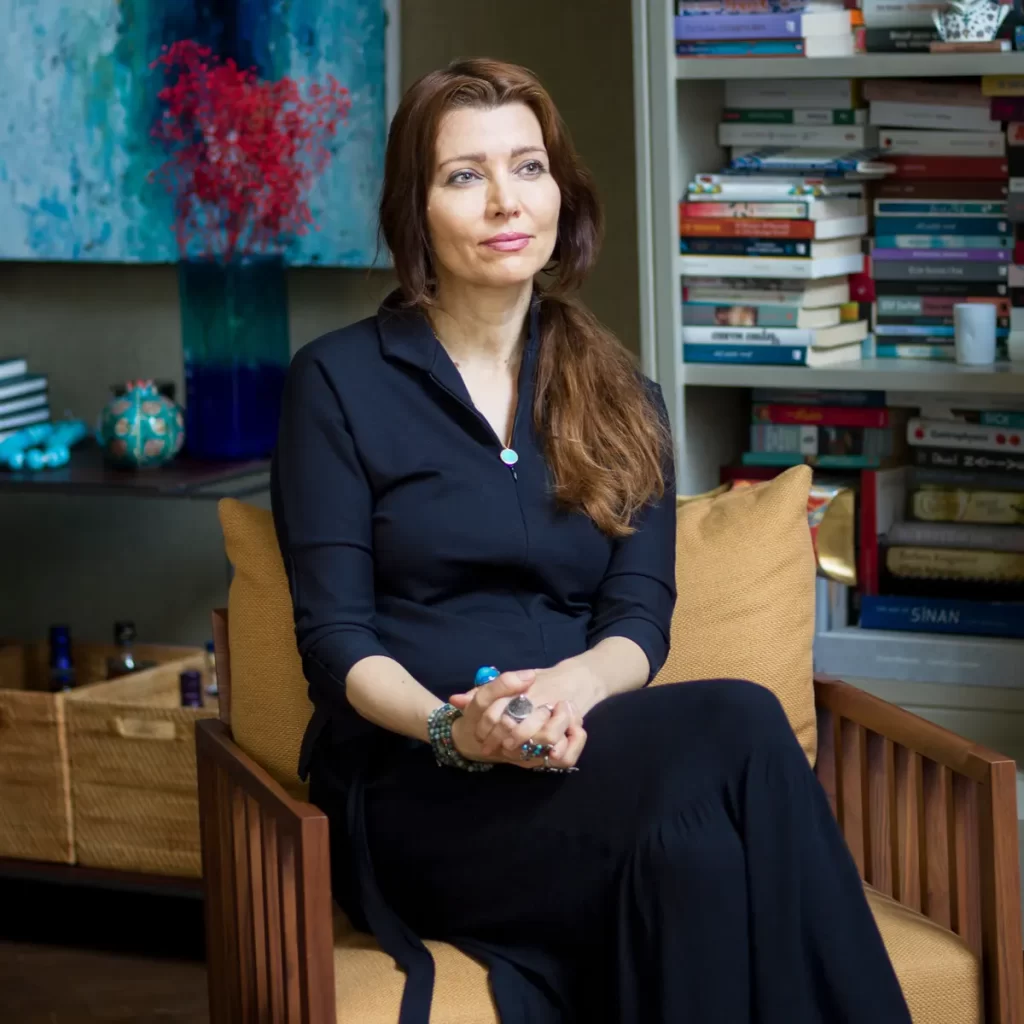
To conclude I must say Shafak’s career isn’t just a literary journey. The multicultural identity in Elif Shafak’s works is an adventure through the global spectacle. As we ride the waves of Shafak’s storytelling, we’re not just reading; we’re dancing to the rhythms of cultural diversity. Shafak’s characters, with their cross-cultural coolness, challenge norms, embrace the cultural hybridity and hybrid identity, and remind us that in the global jam of life, celebrating diversity isn’t just an option; it’s the ultimate party anthem. So, grab your literary dance shoes and join the Shafak groove – it’s a vibe that transcends borders and keeps the cultural beats alive