
In the vast and fragmented landscape of modern media, few genres have demonstrated the staying power and cultural resonance of reality tv dating shows. From its nascent stages to its current high-concept, globally syndicated iterations, the format has evolved from a simple televised matchmaking service into a complex cultural institution. Shows like The Bachelor, Love Island, Married at First Sight, and Love is Blind are no longer niche curiosities; they are ratings powerhouses and social media engines that command the attention of millions. This dating show phenomenon warrants a closer, more neutral examination, not as a moral panic or a guilty pleasure, but as a significant cultural text.
To understand its grip on the collective consciousness, we should first and foremost dissect the architecture of its appeal and, crucially, analyze its profound and shaping influence on the future of dating and romantic interaction in the 21st century.
I. The Architecture of Appeal: The Psychology of Why We Watch
The magnetic pull of reality television is not accidental; it is the result of a meticulously engineered formula that targets fundamental aspects of human psychology and narrative tradition. Its appeal can be understood as a confluence of primal storytelling, specific psychological triggers, and the compelling framework of the “social experiment.”
The Primal Narrative Engine: Modern Myths and Televised Fairytales
At its most fundamental level, reality TV dating shows are modern iterations of one of humanity’s oldest and most compelling stories: the quest for a partner. This narrative is deeply embedded in cultural myths and fairytales. These shows tap into this primal engine by presenting a structured, high-stakes version of courtship. For instance, the lead of The Bachelor or The Bachelorette is a contemporary prince or princess, bestowing favour (a rose) upon worthy suitors who must prove their devotion.
This simplification of a complex human process is inherently appealing, offering a form of narrative catharsis that real-life romance rarely provides.
The Psychology of Spectatorship: Voyeurism, Validation, and Gamification
Beyond the grand narrative, the genre’s success hinges on its ability to engage viewers on a deep psychological level. Several key mechanisms are at work:
First is the principle of voyeurism. The format grants viewers sanctioned access to what are typically private moments: first dates, intimate confessions, and emotional breakdowns. This act of observing others navigate vulnerable situations provides a unique thrill and a form of social learning.
Second is the mechanism of social comparison. As viewers watch contestants, they inevitably compare their own lives and choices. This psychological concept, known as [External Link to an article on Social Comparison Theory], can be a source of validation (“I would never have handled the situation that poorly”) or aspiration.
Third, these shows excel at the gamification of love. By introducing rules, competitions, and eliminations, the search for a partner is transformed into a spectator sport with heroes and villains. This transforms passive viewing into an active experience of predicting outcomes and choosing favourites, a key component of the psychology of reality TV.
The “Social Experiment” Framework
A significant evolution in the genre is the framing of shows as a “social experiment.” This adds a veneer of intellectual legitimacy. Love is Blind directly tests the hypothesis of whether emotional connection can supersede physical attraction, which is a direct response to the image-centric nature of modern dating app culture. Married at First Sight explores whether romantic compatibility can be successfully engineered by experts.
This framing elevates the shows from mere entertainment to pop-science, making the act of watching feel more productive. Being part of the experiment, observing the behaviors and how the dynamics turn out, helps us viewers shape our own perspective and judgment.
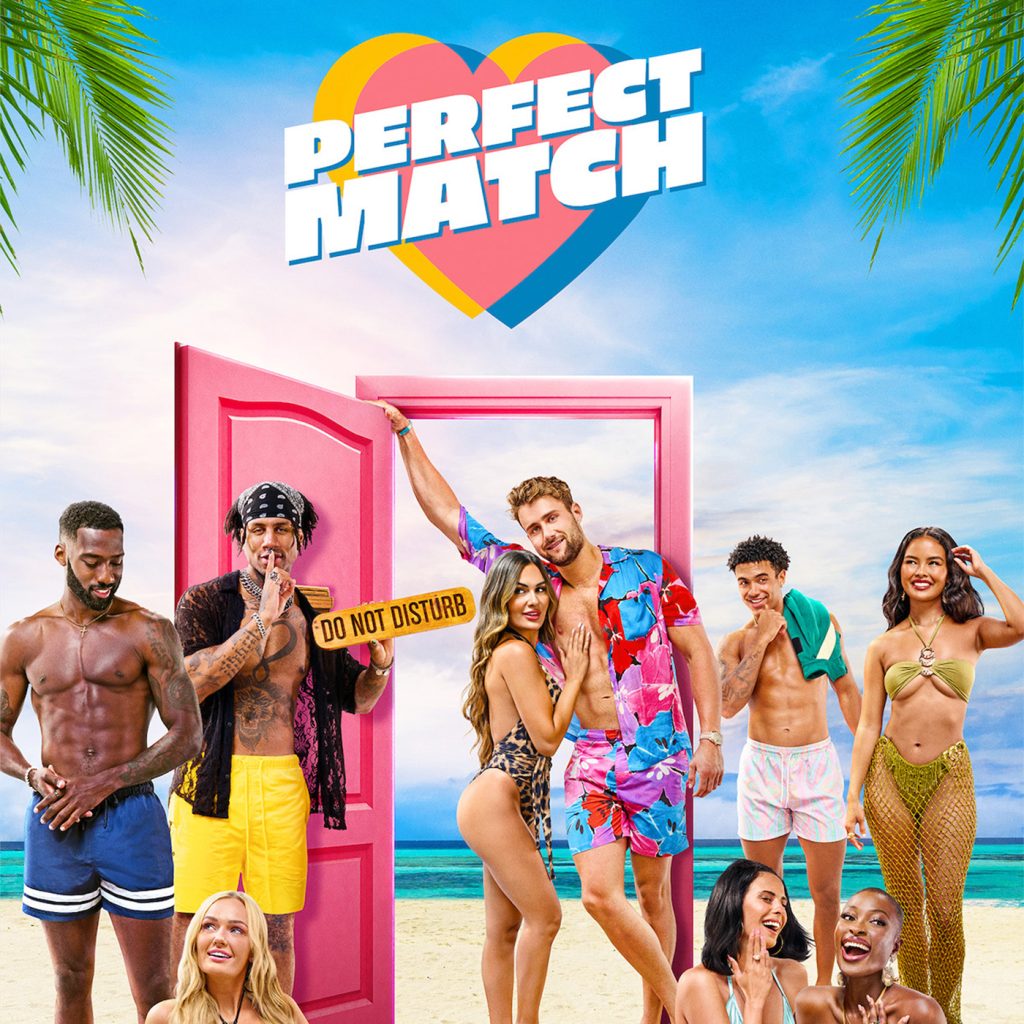
II. The Reflection in the Black Mirror: How the Dating Show Phenomenon Shapes Modern Dating
The influence of mate-finding reality shows is not confined to television. The genre has become a powerful cultural force that actively reflects, and in turn shapes, real-world dating norms, language, and romantic expectations.
The Lexicon of Love in Reality TV: A New Dating Vernacular
Perhaps the most tangible impact is the contribution to the modern dating lexicon. These shows have introduced and popularised a vocabulary that has seeped into our everyday conversation.
-
- “My person”: A phrase denoting a soulmate-level connection, suggesting a deterministic view of love.
-
- “The ick”: Propelled into the vernacular by Love Island, this term refers to a sudden feeling of repulsion, potentially encouraging a more disposable view of budding relationships.
-
- “Red flag”: This psychological term has been amplified and, at times, devalued by its constant use, training viewers to engage in hyper-vigilant analysis of potential partners.
-
- “For the right reasons”: A quintessential phrase from The Bachelor, this term has become a meta-commentary on authenticity itself.
-
- “Love languages”: Derived from [External Link to Dr. Gary Chapman’s official ‘5 Love Languages’ website], this concept often oversimplifies complex relational dynamics into a transactional exchange on screen.
The Acceleration of Intimacy: The New Timeline for Romance
The “pressure cooker” environment of these shows, where relationships unfold over weeks, has a significant impact on real-world romantic timelines. This televised model of accelerated intimacy can create milestone anxiety, where daters feel their own relationships are failing if not progressing at a similarly rapid pace. The grand gestures seen on television can make normal, steady relationship development feel mundane.
The Performance of Authenticity and Vulnerability in the Dating Show Phenomenon
A central paradox of reality television is the demand for contestants to be “authentic” and “vulnerable” on camera. This has created a culture where the performance of vulnerability has become a key dating strategy. This is visible on dating apps and early dates, where there can be pressure to share personal histories as a shortcut to intimacy. The risk is that this performative vulnerability can become detached from genuine trust, turning into just another box to tick.
The Globalisation of Dating Norms Based on Reality TV Dating Shows
With franchises in dozens of countries—from Der Bachelor in Germany to The Bachelor Japan—these shows play a role in disseminating a predominantly Anglo-American model of dating. This can subtly erode local dating customs, promoting a more homogenised, globalised standard for romantic conduct.
III. The Algorithm of Affection: Technology and the Future of Dating
The dating show phenomenon is inextricably linked with technology, particularly social media. This symbiotic relationship provides clues as to the future trajectory of both entertainment and real-world dating.
The Symbiotic Relationship with Social Media
The television broadcast is now only one part of the experience. The “second screen” phenomenon—live-tweeting, creating TikTok essays, and following contestants on Instagram—is also central. This ecosystem transforms contestants into social media influencers, blurring the line between their on-screen character and their real life. This creates a perpetual performance and extends the parasocial relationships viewers form with them.
A Precursor to AI-Driven Matchmaking?
The “expert-led” formats like Married at First Sight can be seen as an analogue precursor to a more technologically advanced future of dating. They are built on the premise that data can produce a more successful outcome than chance, mirroring the trajectory of online dating algorithms.
As AI becomes more sophisticated, the “social experiment” of television could become a consumer reality. One can envision AI-driven services promising to engineer perfect partnerships. In this sense, reality TV dating shows may be conditioning society to accept a more optimised, data-driven approach to finding love.
Last Word: A Reshaped Romantic Landscape?
The mate-finding reality show is far more than a frivolous pastime. It is surely a complex cultural product thriving at the intersection of ancient narrative traditions and cutting-edge media trends. Its appeal is rooted in a potent combination of fairytale aspiration, deep psychological engagement, and intellectual curiosity.
At the same time, the genre’s influence radiates outward, and continues to shape the very nature of how we seek connection. It has injected a new vocabulary into our romantic discourse, recalibrated our romantic expectations, and turned authenticity into a performative act. It is both a mirror reflecting our contemporary dating anxieties and a mould shaping future romantic conduct.
To dismiss these programmes is to underestimate their power. They are a significant cultural force, offering a living archive of our evolving beliefs about love and commitment. They are not creating the future of dating in a vacuum, but they are undeniably one of its most prominent and influential architects.