
“To be, or not to be: that is the question.” I doubt there’s anyone in the world who hasn’t heard the quote at least once in their life. Whether on a social media post, a remark in a movie scene, or on a book cover at a bookstore, most of us have more or less encountered the name Shakespeare, even if we have no idea who he really is. So, first things first. Who was Shakespeare?
Briefly, I should say that William Shakespeare (1564-1616) was an English playwright, poet, and actor widely regarded as one of the greatest writers in the English language and the world’s greatest dramatist. His works, including plays, sonnets, and poems, have had a profound and lasting impact on literature and the arts. But what is the secret to Shakespeare’s enduring popularity?
First, I shall take a quick look at his career, mostly as a playwright:
Theater Career:
Around 1590, Shakespeare moved to London, where he became involved in the theater scene. He joined the Lord Chamberlain’s Men, an acting company that later became the King’s Men. Shakespeare worked as an actor and a playwright.
Playwright and Poet:
Shakespeare wrote a substantial body of work, including 39 plays and 154 sonnets. Shakespeare as a playwright has written plays mainly in three categories: tragedies (e.g., Hamlet, Macbeth), comedies (e.g., A Midsummer Night’s Dream, Twelfth Night), and histories (e.g., Henry IV, Richard III).
The Globe Theatre:
The Globe Theatre, where many of Shakespeare’s plays were performed, was built in 1599 on the south bank of the River Thames. It became one of the most famous theaters of the Elizabethan era.
Literary Legacy:
Shakespeare’s plays are known for their profound understanding of human nature, intricate plots, and rich language. His plays and poems have been translated into numerous languages and adapted into various forms of media.
But why should we, 21st-century people, know anything about him whatsoever? Well, there are a plethora of answers to that question, but the most significant ones include his mastery of language, the universal themes he writes about, his insight into human nature, his plays’ adaptability and relevance, their connection to human experience and the cultural and historical context they provide us with, which are absolutely priceless. Shakespeare’s plays themes are diverse and Shakespearean characters are not merely characters.
There is a wide range of themes he wrote about that we can still find relevant today if we take a close at them. This man provided us with clever remarks about love, hatred, conflict, corruption, and much more. And he knew just the right way to put his words so that they could create a lasting effect, one that would not perish even after centuries. Exploring the complexity of Shakespearean characters is not solely limited to classical drama and theater. That is precisely the reason why contemporary filmmakers and writers are still creating works based on Shakespeare’s plays and we are still watching them fervently as it is our first time encountering his plays. These plays have been adapted and re-adapted many times and still, there are new ways to look at them, new things to find in them, and new messages to decipher from them.
So, What Is the Contemporary Relevance of Shakespeare’s Works and Why Should We Read Shakespeare’s Plays?
Well, Shakespeare’s plays offer a profound exploration of the human condition and provide invaluable lessons that remain relevant across time and cultures. Here are some key insights and lessons that we can learn from Shakespeare’s works and Shakespearean Characters:
1. Shakespearean Characters; Understanding Human Nature
Shakespearean characters are intricately crafted, reflecting a deep understanding of human nature. Ever been haunted by doubt like the case with Hamlet’s existential dilemmas? Or by jealousy like Lady McBeth? Or maybe been fooled by those who claim they love you, like King Lear? Well, that is the magic of Shakespeare. He sees through the human condition in this world: vulnerable, fearful, passionate. Through their joys, struggles, flaws, and virtues, Shakespeare invites us to explore the complexities of the human psyche.
This understanding fosters empathy and a deeper connection to the diverse range of human experiences. He enables us to experience life in different contexts that more or less share the same traits. Human experience knows no boundaries. What an American person who is madly in love goes through, is no different than what a German or an African person goes through.
For example, Hamlet grapples with the moral implications and consequences of avenging his father’s murder. The play explores the complexities of revenge, depicting its destructive nature and the toll it takes on individuals and relationships. Hamlet reflects on the transient nature of life and the inevitability of death. We’ve all thought about death at least once or twice. The famous soliloquy “To be or not to be” encapsulates Hamlet’s contemplation of life’s struggles and the uncertainty of the afterlife.

2. The Complexity of Morality in Shakespeare’s plays
Shakespeare often presents moral dilemmas that challenge characters and audiences alike. The plays explore the gray areas of morality, highlighting that right and wrong are not always clear-cut. Characters like Hamlet and Macbeth grapple with ethical decisions, prompting readers to consider the consequences of choices in their own lives.
Corruption and deception are pervasive themes of Shakespeare’s plays and manipulation and scheming are recurring motifs. Characters like Iago in Othello and Edmund in King Lear manipulate others to achieve their nefarious goals. Individuals who engage in deceit, betrayal, and unethical behavior often face dire consequences. The corruption of moral values is evident when King Lear’s daughters deceive their fathers with their evil actions to take over the crown.
The consequences of these deceptive actions often result in tragedy, highlighting the destructive nature of such machinations. In many of his plays like King Lear, McBeth, and Hamlet the political and familial structure collapses, revealing the corruption within the social hierarchy. Themes of injustice, abuse of authority, and societal decay are prevalent in many of his tragedies.
Disguise and impersonation are common forms of deception in Shakespeare’s plays. Characters often assume false identities for various purposes, leading to confusion and dramatic irony. Examples include Viola in Twelfth Night, who disguises herself as Cesario. However, sometimes disguise is shown as an act of kindness, as is the case with Kent, King Lear’s loyal advisor who disguised himself to be a common man called “Caius” after wrongly being banished by Lear, with the intention of helping King Lear see through the deceptions and evil going on around him.
3. Love in Its Many Forms
Love is one of the most significant elements in Shakespeare’s plays themes. Love is explored in various forms, including romantic love, familial love, and friendship. The complexities of relationships, the triumphs of true love, and the tragedies of unrequited love are all depicted, offering insights into the multifaceted nature of human connections.
Many of Shakespeare’s plays, especially comedies, focus on the theme of romantic love. Romeo and Juliet is the epitome of passionate, youthful love, while plays like A Midsummer Night’s Dream and Twelfth Night feature romantic entanglements and comedic misunderstandings.
In tragedies like Othello, Hamlet, and Antony and Cleopatra, Shakespeare explores the darker aspects of love. The intense, tragic love between Othello and Desdemona leading to Othello’s tragic downfall and the tumultuous relationship between Hamlet and Ophelia showcase the destructive potential of love.
Other common motifs related to love are parental love, as is evident in King Lear, love between friends and comradeship as depicted between Horatio and Hamlet in Hamlet or between Banquo and McBeth in McBeth.
To tell the truth, Shakespeare’s exploration of love is rich and diverse, encompassing a spectrum of emotions and relationships. Whether portraying the ecstasy of romance, the bonds of family, the loyalty of friendship, or the complexities of self-love, his treatment of love in his plays continues to resonate with audiences across time and cultures.
4. Fate Vs. Free Will; the Essence of William Shakespeare Plays
In exploring the interplay between destiny and individual agency, Shakespeare as a playwright weaves a rich context that raises questions about the nature of human existence, the influence of external forces, and the choices individuals make.
In McBeth, the play revolves around the prophecies made by the witches, foretelling Macbeth’s rise to power. While the prophecies guide his actions, Macbeth’s free will and unchecked ambition ultimately lead to his tragic downfall. The play reflects on the consequences of surrendering to fate and the choices that define one’s destiny.
In Romeo and Juliet, the concept of being “star-crossed” implies a fate beyond the control of Romeo and Juliet. Despite their genuine love, external circumstances and family feuds shape their destinies. The play explores the tension between free will and the constraints imposed by societal expectations and family dynamics.
In Hamlet, Hamlet’s existential dilemmas and soliloquies reflect his contemplation of fate, free will, and the nature of existence. The play explores the internal struggles of the protagonist as he grapples with avenging his father’s death and the consequences of his actions.
The same is true in King Lear. King Lear’s decisions and the actions of those around him raise questions about the role of free will in the face of cosmic forces that shape the destinies of individuals. His actions and decisions bring about fatal consequences intertwined with themes of hubris and divine justice.
5. The Impact of Jealousy and Betrayal
In the exploration of jealousy and betrayal, Shakespeare’s plays delve into the psychological and emotional depths of his characters, highlighting the destructive impact of these emotions on relationships, political alliances, and individual psyches. These themes continue to resonate with audiences, offering insights into the complexities of human behavior and the consequences of betrayal and envy. These themes explore the corrosive effects of envy, distrust, and disloyalty on both personal relationships and larger social structures.
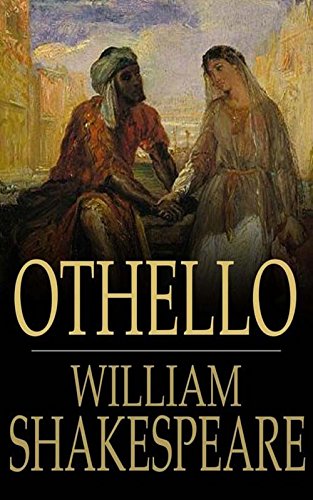
The tragedy of Othello revolves around the destructive power of jealousy. Iago, driven by envy and resentment, manipulates Othello into believing that his wife, Desdemona, is unfaithful. Othello’s jealousy leads to a series of tragic events, and subsequently, Othello’s tragic downfall.
While not the central theme, jealousy is also present in Hamlet. Hamlet’s jealousy of Claudius, who has married Hamlet’s mother and assumed the throne, adds layers to the psychological complexity of the play.
Hamlet is replete with instances of betrayal, from Claudius’s murder of King Hamlet to Hamlet’s perceived betrayal by his mother Gertrude. The theme of betrayal contributes to the tragic unfolding of events.
Moreover, the love affair between Cleopatra and Mark Antony in Antony and Cleopatra is complicated by jealousy. Antony’s political obligations and alliances provoke envy in Cleopatra, while Antony struggles with feelings of betrayal and loyalty.
The theme of jealousy and betrayal is interwoven with political ambition in Julius Caesar as well. Cassius’s jealousy of Caesar’s power and influence drives him to manipulate Brutus into joining the conspiracy against Caesar. The conspirators’ envy of Caesar’s authority leads to betrayal and assassination.
6. The Complexity of Leadership Depicted in William Shakespeare Plays
The complexity of leadership is another recurring theme in William Shakespeare’s plays contributing to Shakespeare’s enduring popularity, where rulers grapple with the challenges of governance, political intrigue, and the moral dilemmas inherent in positions of authority. Shakespeare presents a nuanced exploration of leadership, showcasing both admirable and flawed qualities in his characters.
In Hamlet, Denmark is in a state of political turmoil following King Hamlet’s death. Hamlet, the young prince, is faced with the challenge of avenging his father’s murder. The play explores the complexities of leadership as Hamlet grapples with moral dilemmas, indecision, and the consequences of his actions.
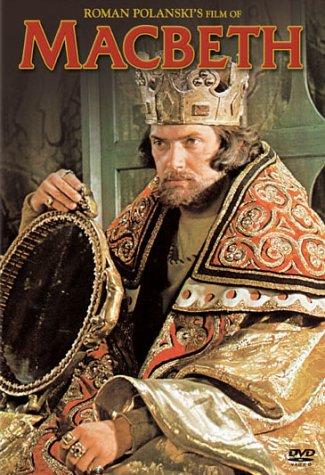
Macbeth delves into the corrupting influence of unchecked ambition on leadership. Macbeth’s rise to power is marked by ruthless actions, betrayal, and moral decay. The play explores the price of unbridled ambition and the impact it has on leadership.
In King Lear, the theme of leadership is explored through the character of Lear himself. His decision to divide his kingdom based on flattery rather than genuine love sets off a chain of events leading to tragedy. The play highlights the consequences of misjudgment and the fragility of leadership. These are just a few examples, as there are various other instances of it throughout most of his plays.
7. Ignorance and Blindness to Truth Lead to Irreversible Damage
The consequences of ignorance and blindness to the truth are profound and often tragic themes in William Shakespeare plays. Characters who remain ignorant or willfully blind to reality face dire consequences, including personal downfall, damaged relationships, and societal turmoil.
King Lear’s tragic flaw is his blindness to the true nature of filial love. He is deceived by flattery and banishes his loyal daughter Cordelia while favoring the deceitful expressions of love from his other daughters. Lear’s ignorance leads to the disintegration of his kingdom and his own descent into madness.
Othello’s ignorance of Iago’s deceit and manipulation is a central theme. Othello is blind to Iago’s ulterior motives, leading to tragic consequences. His inability to see through the lies and recognize the truth about Desdemona’s fidelity results in a destructive and self-destructive path.
The longstanding animosity between the Montagues and Capulets in Romeo and Juliet is fueled by ignorance and a lack of understanding. The blind adherence to the feud by both families contributes to the tragic fate of their children, Romeo and Juliet, who fall in love despite the enmity.
Hamlet’s feigned madness and his inability to discern the truth behind his father’s death contribute to the tragedy in Hamlet. The play explores the consequences of ignorance and the cost of delay in taking decisive action.
Macbeth’s blind ambition and his reliance on the witches’ prophecies drive him to commit heinous acts. His ignorance of the consequences of his actions leads to a tragic spiral of guilt, paranoia, and eventual downfall.
And the list goes on!
8. The Consequences of Unrestrained Ambition and Pursuit of Power in Shakespearean Characters
Ambitious characters driven by unbridled pursuit of power often face moral dilemmas, internal conflicts, and external repercussions that lead to tragic outcomes.
Macbeth is a quintessential exploration of the consequences of unchecked ambition. Macbeth’s insatiable desire for power leads him to commit regicide, setting off a chain of murders and betrayals.
Also, the political ambitions of characters like Brutus and Cassius in Julius Caesar contribute to betrayal and tragic conflict.
Another example is Othello in which Iago’s uncontrolled ambition drives him to manipulate others and sow seeds of jealousy in Othello’s mind. The consequences include tragic misunderstandings, betrayal, and a spiral of violence that ultimately leads to the downfall of the characters.
9. The Power of the Words; What Makes Shakespeare’s Plays Withstand the Test of Time
This is a central theme in William Shakespeare’s plays. Through his masterful use of language, Shakespeare explores the ability of words to shape perception, influence emotions, and drive action.
Shakespeare’s plays often feature powerful speeches and oratory that sway characters and audiences alike. Many of Shakespeare’s characters use clever wordplay to deceive and manipulate others.
The soliloquies in his plays provide insight into the characters’ inner thoughts and motivations. Hamlet’s soliloquies, including the famous “To be or not to be”, showcase the power of words to convey complex philosophical ideas and internal struggles.
His comedies are replete with puns, double entendres, and clever wordplay. Characters in plays like Twelfth Night and Much Ado About Nothing use humor and wit to navigate romantic entanglements and social dynamics.
Words play a crucial role in instances of disguise and mistaken identity. Characters in plays like Twelfth Night and As You Like It use language to create and maintain their false personas, leading to comedic misunderstandings and romantic entanglements.
Shakespeare also uses satire and social commentary to critique the societal norms and values of his time. Plays like Measure for Measure and The Merchant of Venice employ language to challenge and question prevailing attitudes towards justice, mercy, and prejudice.
The power of words is also evident in moments of confession and forgiveness. Characters in plays like Othello and King Lear experience the transformative impact of spoken words when they confess their wrongs or seek forgiveness.
What’s more, Shakespeare’s use of poetic imagery enhances the emotional impact of his plays. The lyrical beauty of language in passages like Juliet’s balcony speech in Romeo and Juliet adds depth and resonance to the themes of love and longing.
In Shakespeare’s plays, words are not merely a means of communication; they are tools of persuasion, instruments of deception, vehicles for self-expression, and conduits for exploring the complexities of the human experience. The richness and versatility of Shakespeare’s language continue to captivate audiences, demonstrating the enduring power of words in literature and drama.
So, What Is The Contemporary Relevance of Shakespeare’s Works: In Other Words, How Can We Appreciate Shakespeare in Today’s Context?
Reading and enjoying Shakespeare’s plays in today’s world can be a rewarding experience, despite the linguistic and cultural differences between his time and ours. Here are some tips to enhance your understanding of Shakespeare as a playwright:
1. Use Online Resources
Take advantage of online resources, such as scholarly articles, educational websites, and video lectures, to deepen your understanding of specific plays and themes. If you find understanding his language difficult, you can always find modern translations of them or versions that include commentaries.
2. Consider the Themes in Today’s Context
Relate Shakespeare’s themes to contemporary issues. Many of his plays explore timeless topics like politics, love, and human nature that resonate in today’s world. How is the contemporary world suffering from misunderstandings, jealousy, or power struggle? How can you add a new meaning to what’s already been written centuries ago?
3. Connect with Characters
Identify with the characters’ emotions and motivations. While the settings may be different, the fundamental human experiences depicted in the plays remain universal. We all have our weaknesses and strengths. What are your weaknesses? What evil things are the people around you capable of doing due to certain weaknesses? How madly in love are you with a specific person? (if you believe in love at all!)
These are key aspects you can consider while reading Shakespeare that will truly help you embrace the concepts he is presenting.
4. Explore Modern Retellings
There are numerous adaptations of Shakespeare’s plays both in the film and theater industries. Watch them, read commentaries on them.
There are multiple versions of Shakespeare’s tragedies and comedies. Kenneth Branagh’s adaptations of Shakespeare’s plays are absolutely worth watching.
Also, many of the popular films we have all watched have been inspired by the great master. If you read Hamlet, you will find similarities (and some differences) between the beloved Disney animation, The Lion King and Shakespeare’s play!
There are also popular comedies like She’s the Man which was based on another play, Twelfth Night. Another blockbuster, 10 Things I Hate About You was based on The Taming of The Shrew.
5. Be Patient and Persistent:
Don’t be discouraged if you find some passages challenging. The more you read, the more comfortable you’ll become with the language and the nuances of Shakespeare’s works.
The things I explored and explained reflect only a limited aspect of Shakespeare’s brilliance. If you delve deeper into his words, you will encounter an unlimited series of possibilities and understandings regarding Shakespeare’s plays themes.

In conclusion, I must say, William Shakespeare, often regarded as the greatest playwright of all time, continues to captivate audiences worldwide through the enduring power of his plays. His works, spanning tragedies, comedies, and histories, delve into the complexities of the human experience, exploring timeless themes such as love, power, betrayal, and the consequences of choice. While the language may initially pose a challenge, approaching Shakespeare with patience and an open mind reveals the beauty and richness of his words.
Whether through reading, watching performances, or exploring modern adaptations, one can appreciate the universality of Shakespeare’s insights into the human condition. The plays offer not only entertainment but also profound lessons about the complexities of leadership, the consequences of ambition, the impact of jealousy and betrayal, and the enduring power of language. As we navigate the intricacies of our own lives, Shakespeare’s works remain invaluable sources of wisdom, inviting us to reflect on our own humanity and the enduring truths that connect us across the ages.